14 Hrs
Source:
تونزي تيليغراف
تونزي تيليغراف
Ready to play
Ready to play
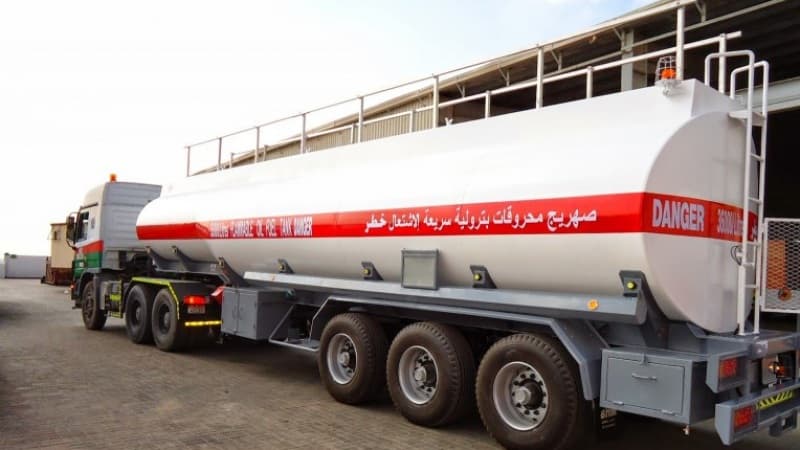
The article addresses a legal debate regarding the legitimacy and framework for classifying the strike by fuel truck drivers in Rades as an act of terrorism. The text clarifies that the Anti-Terrorism Law imposes specific conditions for considering an act as terrorism, including the nature of the act, the context, and the intended goal—not merely the disruption of a vital facility such as fuel supply. An illegal strike, such as one that does not adhere to notification and warning procedures, is not automatically deemed a terrorist crime. It is necessary to verify the presence of other elements, such as violence, threats, or assault. The text also emphasizes that expanding the concept of terrorism to include any disruption of a vital facility, with the aim of restricting the right to protest, threatens to blur the line between legitimate protest and terrorist crime. Such an expansion requires clear evidence of terrorist intent, rather than merely causing harm or impacting public interests. Therefore, the article underscores the importance of establishing the facts and intentions before classifying any strike as an act of terrorism. It also stresses the need to adhere to the correct legal approach and to avoid conflating lawful trade union actions with acts of terrorism.
Notice: This Is an AI-Generated Summary







Comments (0)