





Pidonia affects Sfax beaches seasonally
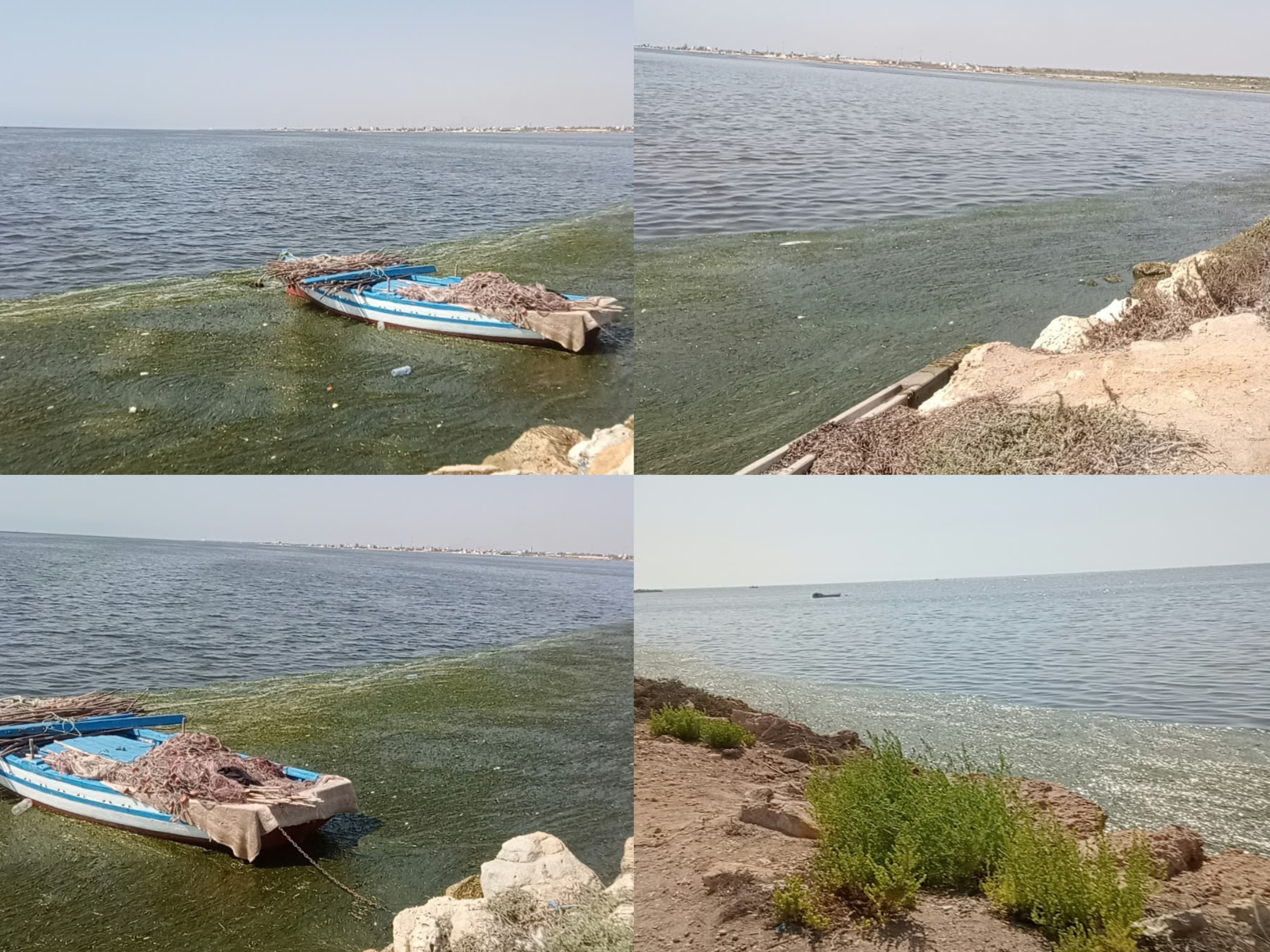
During the late summer and early fall, the coasts of Sfax exhibit the accumulation of large amounts of Posidonia oceanica (Posidonia) plant material, which gathers on the shoreline in the form of clusters and green or brown leaves. This phenomenon is natural and linked to the plant's biological cycle and ocean dynamics. Posidonia produces new leaves while shedding old ones, and the waves and currents transport these along the coast. The accumulation increases depending on weather conditions and wave activity. These masses help protect the shoreline from erosion, stabilize the sand, and provide nutrients that enter the marine food chain. This phenomenon plays an important role in supporting biodiversity, carbon storage, and coastal protection against erosion. It does not necessarily indicate degradation or death of the seagrass meadows, as it can be part of a natural cycle. However, overfishing and human pressures such as pollution and rising temperatures negatively impact the health of the Posidonia meadows. Scientific monitoring is essential to ensure the sustainable management of this vital ecosystem.
Notice: This Is an AI-Generated Summary
Comments (0)