23 Hrs
Source:
الشروق التونسية
الشروق التونسية
Ready to play
Ready to play
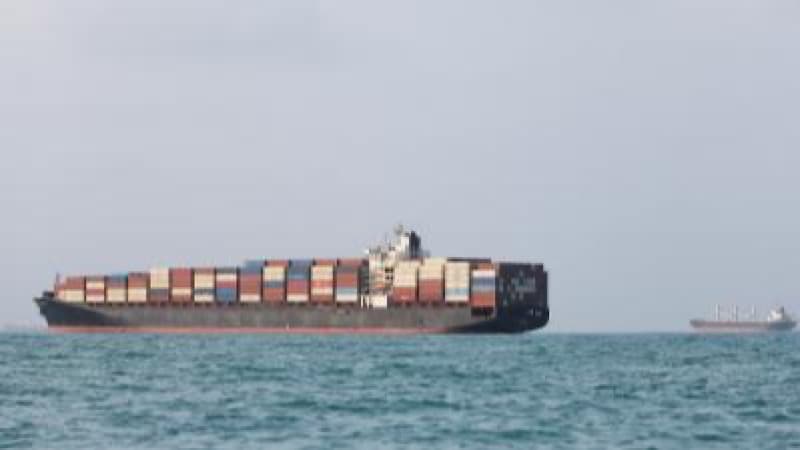
Six months after the start of the war in the Middle East, the Strait of Hormuz remains largely closed, leading to an 85% decline in the movement of critical cargo ships and the detention of thousands of sailors in the Gulf. Before its closure, about one-fifth of oil and natural gas exports passed through the strait, and the risks increased with mines spread over an area of 1,400 square kilometers. Maritime traffic has dropped from an average of 95 voyages per day before the war to around 10 voyages, with a temporary rebound to 36 voyages following a U.S.-Iranian understanding, before declining again to 15 voyages amid ongoing hostilities. Different routes are being utilized for passage, including a northern route relying on the Iranian coast and a southern route that may be mined. Approximately two-thirds of crossings have become invisible due to data shortages or jamming of tracking devices. About 6,000 sailors and 500 ships remain stranded, as efforts continue to establish a safe maritime corridor and de-escalate tensions, following the death of twenty sailors in the region over the past few months.
Notice: This Is an AI-Generated Summary







Comments (0)