24 Hrs
Source:
تونزي تيليغراف
تونزي تيليغراف
Ready to play
Ready to play
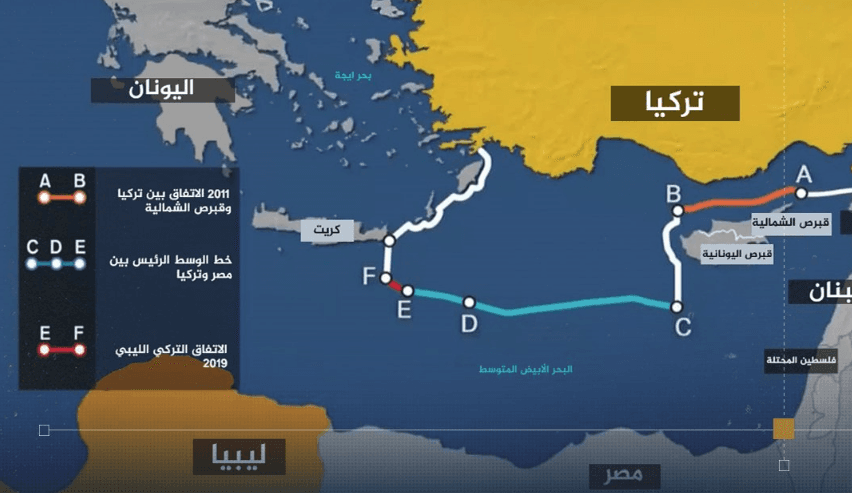
The article discusses the developments in the legal and diplomatic dispute over borders and maritime zones in the Mediterranean Sea, with a particular focus on the positions of Tunisia, Italy, and Greece regarding Libyan maritime claims. Tunisia and Italy submitted official memoranda to the United Nations in 2026, based on previous judicial rulings and treaties, opposing Libya's demands. Tunisia, which relies on a 1982 International Court of Justice ruling and a bilateral agreement to implement delimitation, opposes Libya's expansion and any unilateral changes to maritime boundaries. Greece responds within its ongoing disputes with Turkey over island rights, especially Crete, pointing out that the Turkish-Libyan Memorandum of Understanding overlooks Greek island rights. Italy, on the other hand, updating its maritime boundary coordinates reflects its economic interests, clearly indicating that this does not involve annexing new areas but rather updating legal references. The three countries emphasize preventing maps or unilateral declarations from turning into de facto realities in disputed maritime zones. As marine areas become more significant due to investments in natural resources and energy projects, these disputes have evolved into a legal and economic conflict in the region, with strategic interests of regional states increasingly intertwined.
Notice: This Is an AI-Generated Summary







Comments (0)