6 Hrs
Source:
الشروق التونسية





Source: الشروق التونسية
6 Hrsالشروق التونسية
Source: الشروق التونسية
6 HrsReady to play
Ready to play
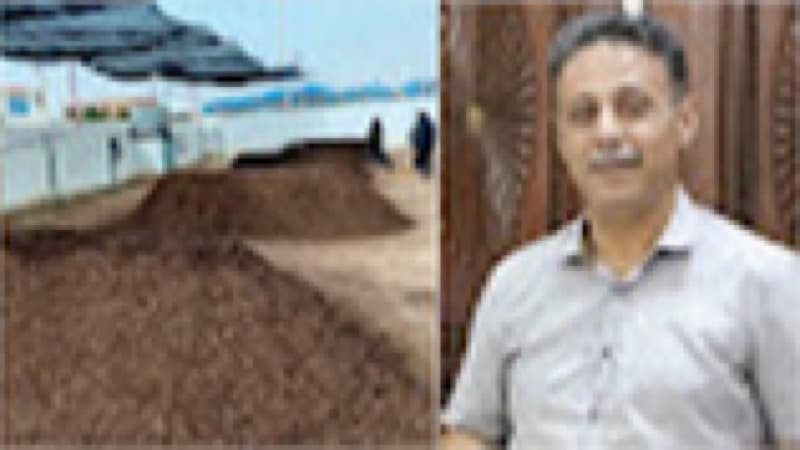
The study by expert Mourad Zakri highlights how garden and tree waste in Sfax can be turned into compost that enriches soil, improves its ability to retain water, and reduces reliance on chemical inputs—while also cutting waste and emissions from landfilling. Tunisia aims to recover 35% of its organic waste by 2035 and 80% by 2050, and to increase organic and energy recovery by 30% by 2030 compared with 2020. Municipalities can market the compost and reduce transport and treatment costs. Composting facilities can also create green jobs in collection, sorting, production, quality control, and distribution. The Municipality of El Aïn’s sale of compost through a public auction offers a local example. The study recommends organizing waste sorting and collection, ensuring product quality, training university graduates, and tracking the quantities of waste diverted, jobs created, and revenue generated—so that waste recovery can support agriculture and local development.
Notice: This Is an AI-Generated Summary
Comments (0)