





Wild capitalism shaping history
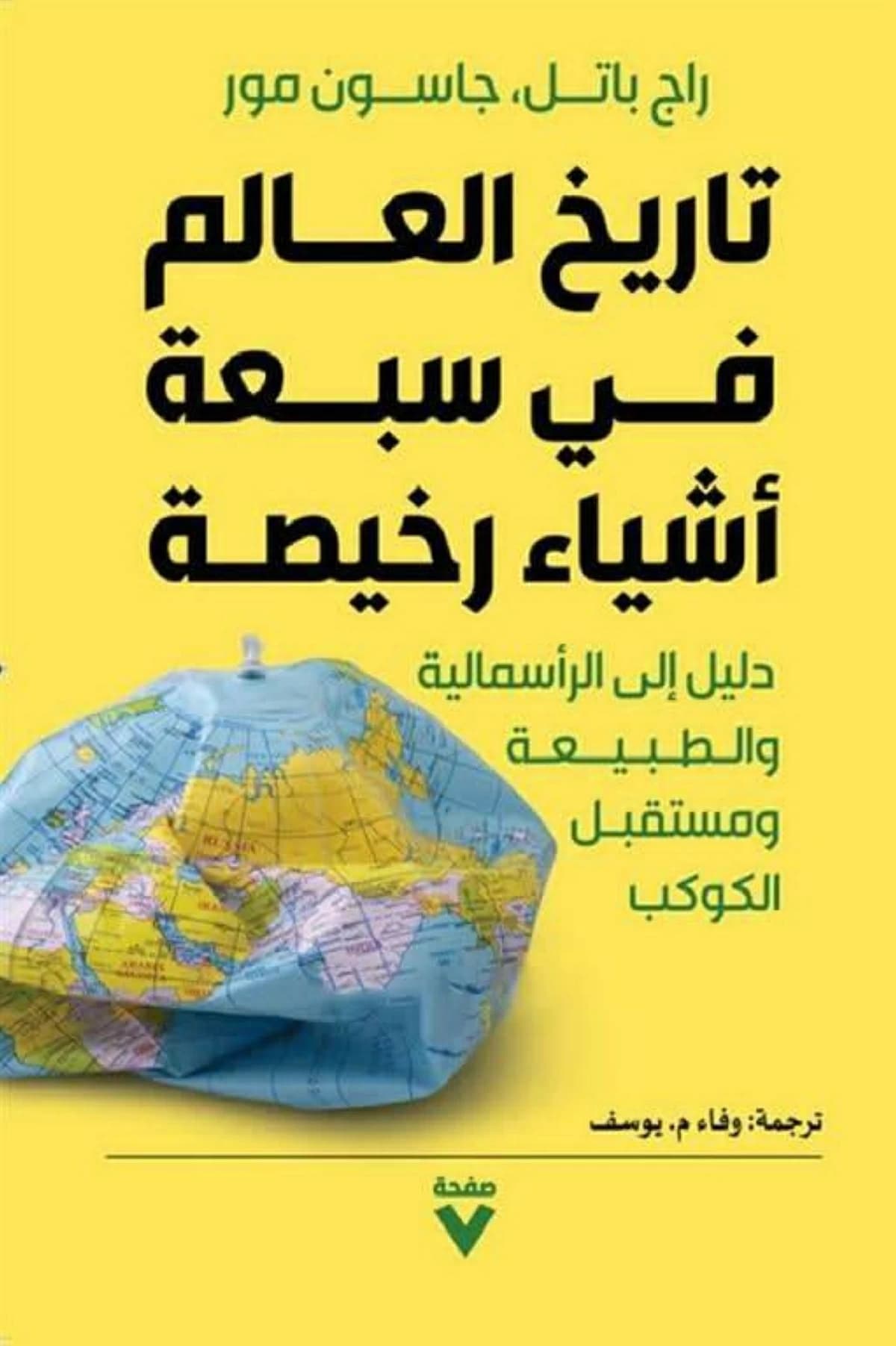
The book "The World in Seven Cheap Things" explains how capitalism contributed to building the modern world through the exploitation of nature, money, labor, care, food, energy, and people's lives, all through wide-ranging colonial and monopolistic processes. It clarifies that the warm medieval period led to population growth and economic prosperity, which in turn fueled the Crusades and feudal expansion movements, contributing to taxation and land invasions. After the Black Death disaster, which caused a decline in feudalism and an increase in class conflicts, capitalism emerged, benefiting from production relations and integrating nature and humans into the manufacturing of life. The book argues that savage exploitation of nature paved the way for the exploitation of humans and the creation of a cheap world, with colonial impacts on the environment and societies worsening. It emphasizes that capitalism relied on resource and individual exploitation, helping to shape a world dominated by imperial influence and high profits at the expense of the environment and humanity.
Notice: This Is an AI-Generated Summary
Comments (0)