





Scientists develop first dual nuclear clocks
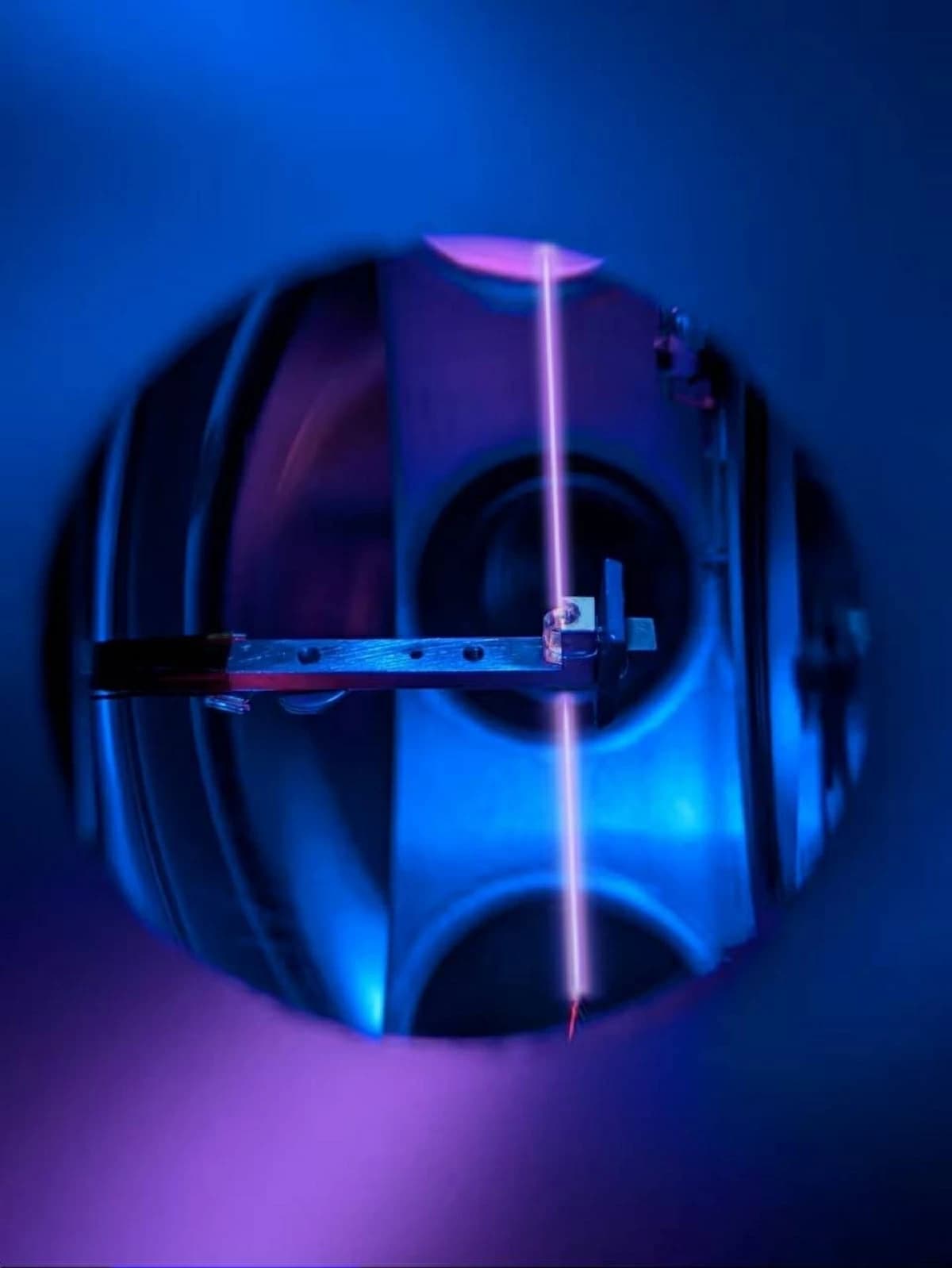
Content Extraction and Understanding: The article focuses on the development of the world's first two nuclear clocks based on Thorium-229, carried out by two teams in Vienna and Beijing. These clocks represent the next generation of atomic timekeepers, characterized by their ability to measure time more precisely and having broad applications in applied sciences, such as navigation, data transmission, and dark matter exploration. Nuclear clocks rely on monitoring reactions within the atomic nucleus using lasers, outperforming traditional atomic clocks in accuracy, although they are still in the full development stage. It is expected that this technology will improve timing and navigation systems and provide new tools for fundamental physics research. Summary: Two teams in Vienna and Beijing successfully developed the first two thorium-229 nuclear clocks, representing a significant advancement in ultra-precise time measurement. These clocks measure internal nuclear transitions with lasers and are considered the future tools for achieving superior performance in practical and scientific applications, such as navigation and dark matter exploration, although they are still in the technological refinement phase.
Notice: This Is an AI-Generated Summary
Comments (0)