







Torture Confession and Temple Burning
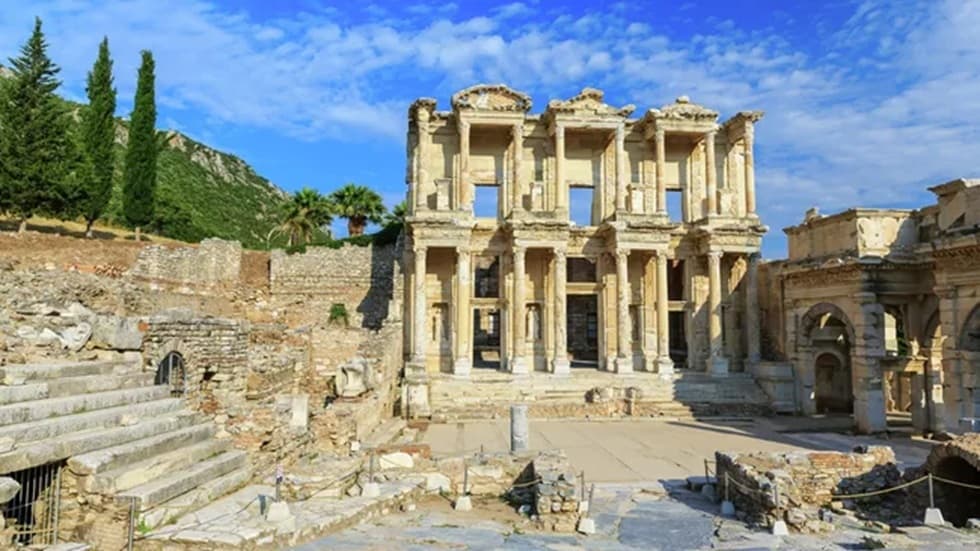
The article discusses the incident of the Artemis Temple fire in ancient Ephesus, one of the Seven Wonders of the Ancient World, which was destroyed by a man named Herostratus in 356 BC in pursuit of personal fame. The fire is considered one of the greatest disasters in history, as it led to the destruction of a massive marble building with 127 columns. It also holds deep symbolic significance related to fame and shame, with Herostratus’s name becoming synonymous with notoriety through destruction. The story is linked to legends, some of which connect it to the birth of Alexander the Great, with some believing that the fire occurred on the very night Alexander was born. This detail has fueled speculation about Herostratus’s motives—whether driven by greed for glory or perhaps aiming to prompt the city to rebuild the temple more magnificently, with Alexander’s support. Over the ages, this event has become a symbol of madness and arrogance, serving as a historical and philosophical lesson about the relationship between fame and shame, and the impact of its destruction on the society and economy of Ephesus. It also carries cultural connotations that transcend the historical event itself.
Notice: This Is an AI-Generated Summary
Comments (0)