


Maritime Straits Linking Global Trade
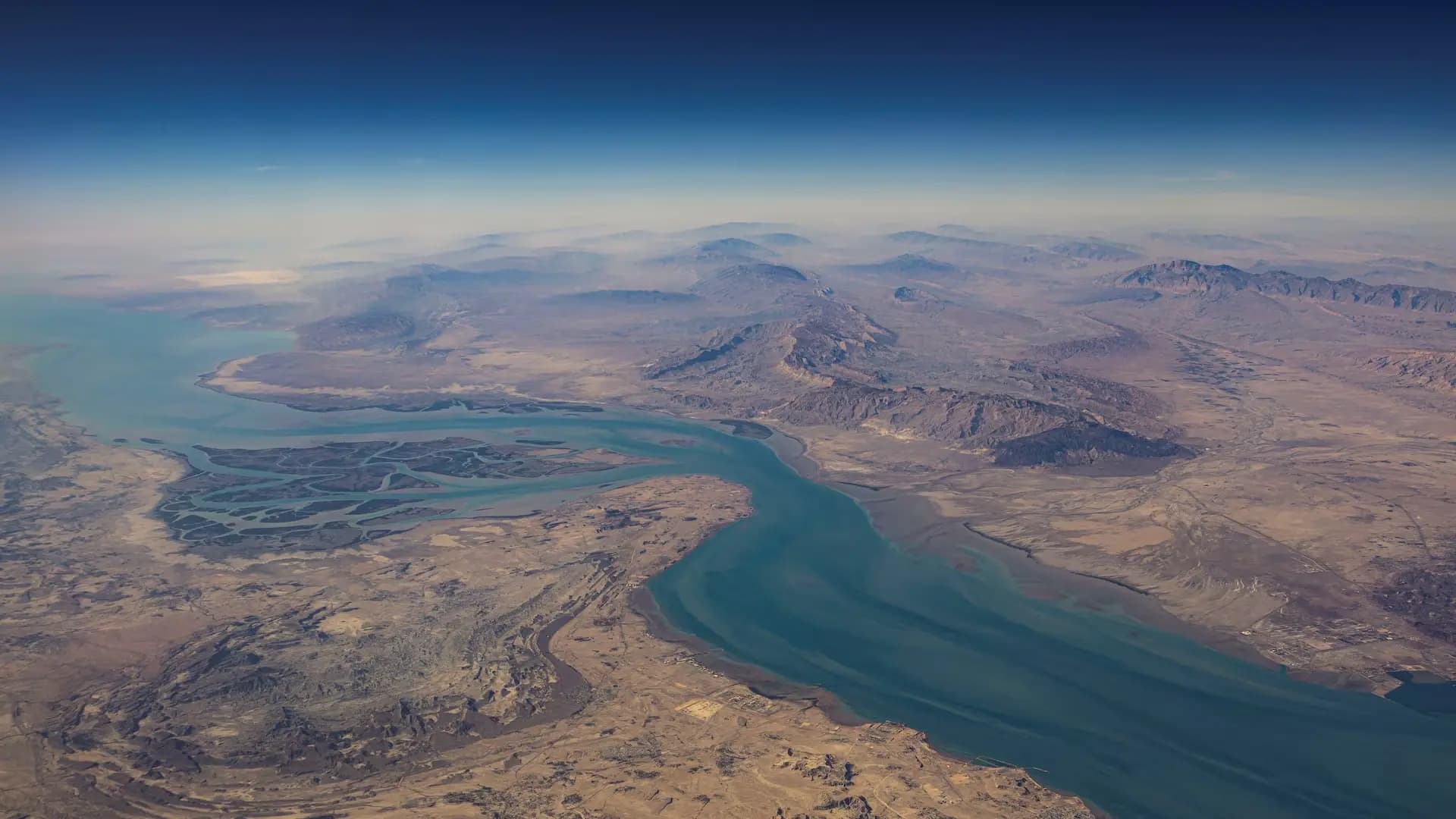
The article discusses the nature of straits that govern global trade and navigation, with a focus on the Strait of Hormuz as one of the world's most prominent straits experiencing political and geographical tensions since the 16th century. It explains that the United Nations Convention on the Law of the Sea (Montego Bay Convention) affirms that maritime straits are natural formations on which no charges can be imposed, although countries controlling water channels like the Suez Canal can levy fees. The article notes that Iran previously respected the provisions of the convention, despite not ratifying it, before closing the Strait of Hormuz following escalating conflicts between Iran, the U.S., and Israel—an action that led to a sharp rise in oil prices. It also touches on historical and geographical attempts to control strategic straits, such as Portugal’s attempt to seize Hormuz in 1507, the adoption of the “Free Sea” doctrine supporting freedom of navigation, and Britain’s military presence and control over the Strait of Malacca and its surrounding strategic outposts. The article emphasizes the strategic importance of the Bab el-Mandeb Strait as a sensitive strategic passage currently threatened by regional tensions. Future issues related to other straits—such as the Taiwan Strait and the Strait of Malacca—are anticipated, driven by the regional ambitions of major powers.
Notice: This Is an AI-Generated Summary
Comments (0)