1 Day
Source:
عربية – DW
عربية – DW
Ready to play
Ready to play
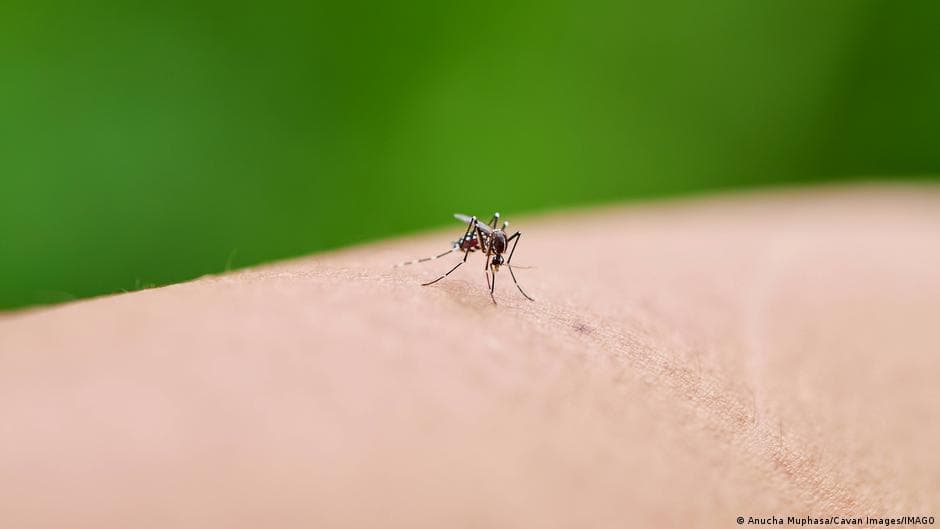
The article focuses on how climate change affects the spread of malaria in Africa. The study explains that the optimal temperature for malaria transmission via mosquitoes is 25°C, and that rising temperatures due to climate change may make some areas, such as West and Central Africa, more suitable for the disease's spread, while others remain less affected due to higher or lower temperatures. It indicates that climate change alters the distribution of risks; for instance, the chances of malaria transmission decrease in some extremely hot regions but, on the other hand, threaten areas that were previously less exposed—especially given the weak healthcare systems in those regions. Despite efforts to increase malaria vaccination and reduce fatalities, experts emphasize the need to adapt to these climate changes by strengthening preparedness and intensifying disease control programs, as climate change complicates the goal of eliminating malaria and jeopardizes current progress.
Notice: This Is an AI-Generated Summary





Comments (0)