21 Hrs
Source:
عربية – DW
عربية – DW
Ready to play
Ready to play
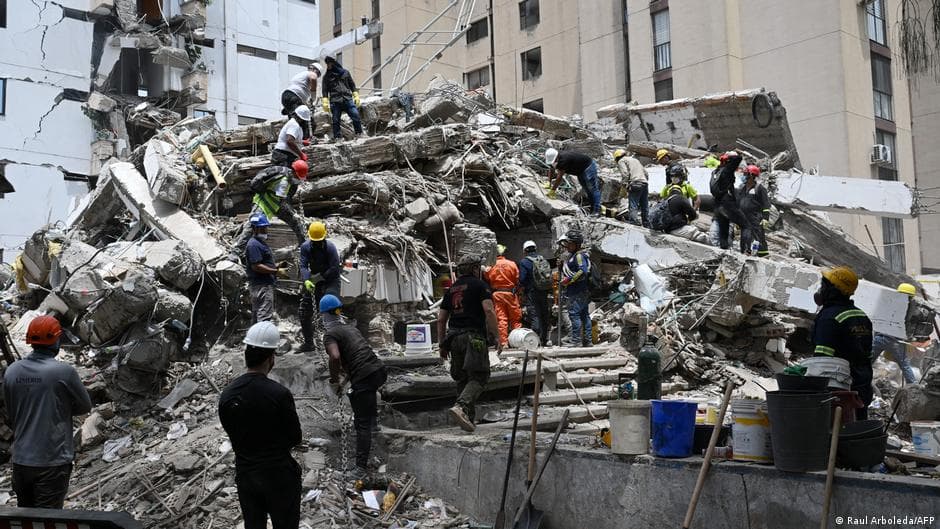
In 2026, there was a surge in the frequency of strong earthquakes, with up to mid-August recording 10 quakes exceeding 7 on the Richter scale. Tragic earthquakes also occurred in Venezuela, the Philippines, Colombia, and Tonga. The most notable was the earthquake in Venezuela on June 24, measuring 7.2 and 7.5 degrees, which resulted in over 6,300 deaths and damage to more than 58,000 buildings. In the Philippines, a 7.8 magnitude earthquake in June caused 107 fatalities, although its impact was limited due to its depth. In Colombia, an August earthquake of 7.4 magnitude claimed more than 260 lives and caused widespread destruction, despite occurring at a depth of over 100 kilometers. Tonga experienced a 7.5 magnitude earthquake in March, one of the strongest worldwide this year, but it caused minimal damage due to its great depth. Japan was hit by a 7.4 magnitude quake off the northeastern coast in April, with no fatalities and only two injuries, highlighting the country's vulnerability due to its location along the Pacific Ring of Fire. In Afghanistan, a 5.8 magnitude earthquake in April resulted in 12 deaths, illustrating that even weaker quakes can be deadly, especially in impoverished countries with fragile infrastructure and limited protective systems. The pattern underscores that earthquake magnitude does not always reflect the extent of damage and loss they cause.
Notice: This Is an AI-Generated Summary


Comments (0)