1 Day
Source:
عربية – DW
عربية – DW
Ready to play
Ready to play
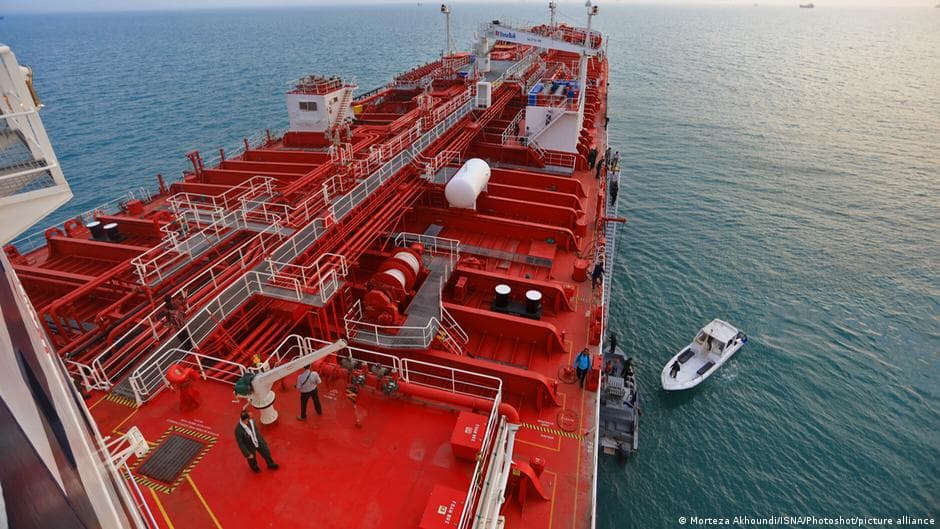
Despite ongoing American pressures and the imposition of sanctions on Iran, the flow of oil through the Strait of Hormuz continues indirectly via secret logistics networks and alternative export routes. Large vessels avoid direct surveillance by employing reloading operations, transferring cargo between smaller ships, and passing through dark corridors. They also rely on unconventional maritime pathways and origin-fixing techniques, such as classifying the oil as coming from third-party sources. Although the export volume has decreased to about 3-5 million barrels per day, this flow remains economically viable due to low oil prices and the high risks involved in passage. Oil is purchased at significant discounts, and smaller tankers face high costs, making smuggling still profitable. Saudi Arabia and the UAE have developed their strategies to evade sanctions, relying on reloading operations and diversifying their transit methods. Meanwhile, Iran seeks to strengthen its influence by issuing permits and directly directing ships.
Notice: This Is an AI-Generated Summary





Comments (0)