17 Hrs
Source:
Sky News



Source: Sky News
17 HrsSky News
Source: Sky News
17 HrsReady to play
Ready to play
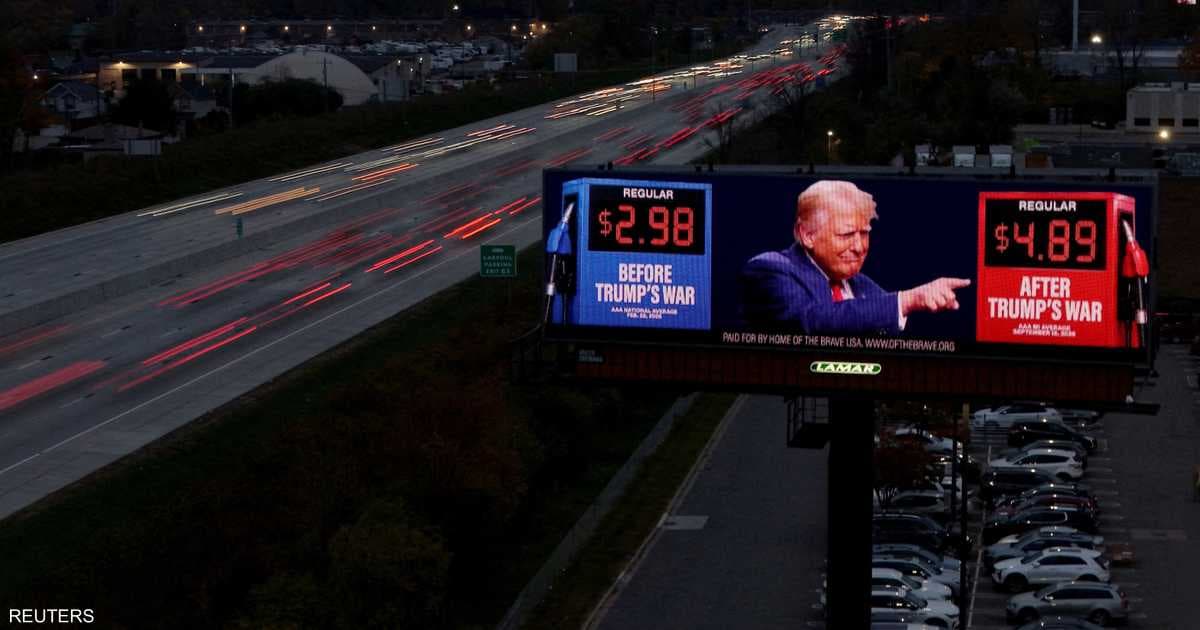
The midterm elections, to be held on November 3, 2026, could reshape the president’s and Congress’s ability to set economic policy. If Democrats regain one or both chambers, they may be able to push for changes to tariffs and healthcare, though passing legislation will remain difficult given the possibility of a presidential veto and the need for Republican support. The cost of living is among the key issues: annual inflation stood at 3.7% in September, compared with the Federal Reserve’s 2% target. Price pressures could ease if tariffs are curtailed, while their continuation and tighter immigration policies could pose inflationary risks. The makeup of the Senate could also affect confirmation of Federal Reserve appointments and interest-rate policy. The elections are expected to have only a gradual impact on the construction of AI data centers. These challenges come as U.S. debt has exceeded $40 trillion and annual debt-servicing costs have topped $1 trillion. Experts say the elections could limit the administration’s ability to advance its agenda and increase the likelihood of legislative gridlock, but they will not, on their own, resolve the crises or usher in a new economic transformation—making bipartisan agreement essential.
Notice: This Is an AI-Generated Summary
Comments (0)