1 Day
Source:
عدن تايم
عدن تايم
Ready to play
Ready to play
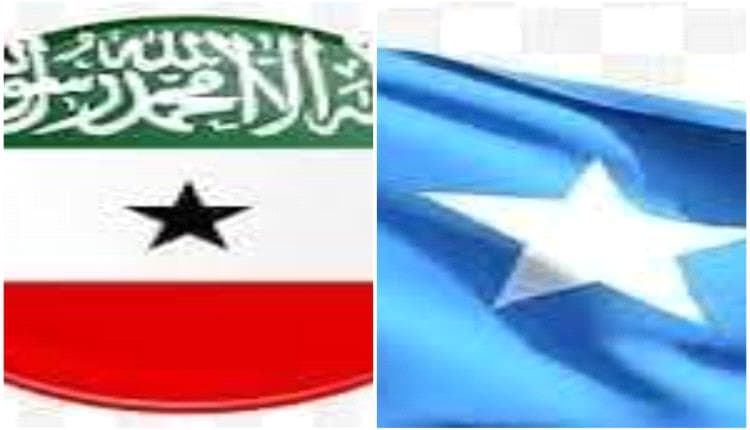
The article discusses the experience of nation-building in Somalia and the Territory of Somaliland, focusing on the relationship between clan, state, and authority. It explains that the Somaliland experience, since the Borama Conference of 1993, combined modern institutions with traditional authority, where clan elders played a key role in managing interests and shaping political agreements, while maintaining the Council of Elders as a constitutional institution that supports equality before the law and prevents clan-based discrimination. In contrast, the Federal Republic of Somalia adopted a power-sharing system based on the 4.5 formula, which allocates fixed quotas to major clans, leading to the formal recognition of the clan as a criterion for distributing authority and entrenching clan identity within political processes. The article highlights that the Somali model emphasizes electoral competition away from clan quotas, whereas the Somaliland model seeks to manage pluralism through institutionalization and inclusion, avoiding the constitutionalization of clan identity. Finally, it suggests that the southern Arabs can benefit from these experiences by adopting an approach that balances recognizing the clan as a genuine social component with preventing it from becoming a constitutional basis for power, while promoting citizenship, electoral participation, and competence as legitimate means to achieve stability and diversity.
Notice: This Is an AI-Generated Summary


Comments (0)