



Gas Distribution Lists: Who Decides Destination?
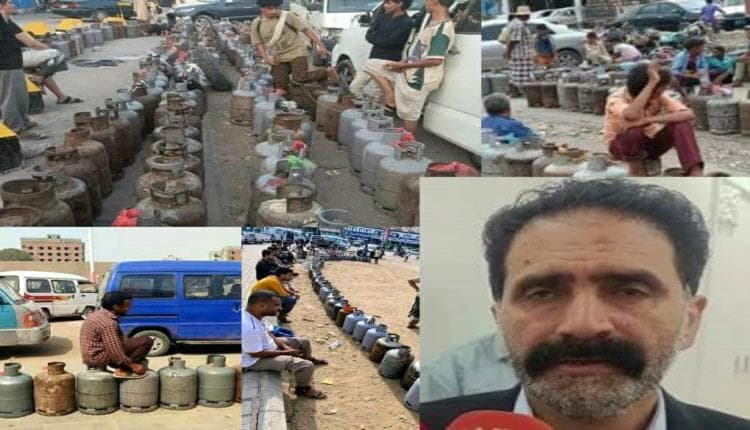
The article addresses the crisis of domestic gas shortages in southern Yemen and its impact on citizens' lives. Residents suffer from the unavailability of gas cylinders despite their appearance in distribution records. The crisis is linked to changing gas sources, especially reliance on Ma'rib after disruptions in supplies from Iran, along with accusations of smuggling gas to Houthi-controlled areas and making profits from the black market. The article also discusses issues related to distribution methods, corruption, and the involvement of officials and companies in poor resource management. Questions are raised about who has the authority to make the final decision on gas distribution and how the flow of gas from production to consumers is monitored. Bottlenecks often recur due to technical faults or neglect in maintenance, but the ongoing nature of the crisis for years indicates a broader problem—the inability of the south to develop an independent energy system. This leaves citizens dependent on external sources, with fronts for corruption and smuggling. Ultimately, the problem is not just about the gas cylinder itself but involves the management of the resource, corruption, and manipulation that deepen citizens' suffering and worsen living conditions.
Notice: This Is an AI-Generated Summary
Comments (0)