1 Day
المصدر:
الديار
الديار
جاهز للتشغيل
جاهز للتشغيل
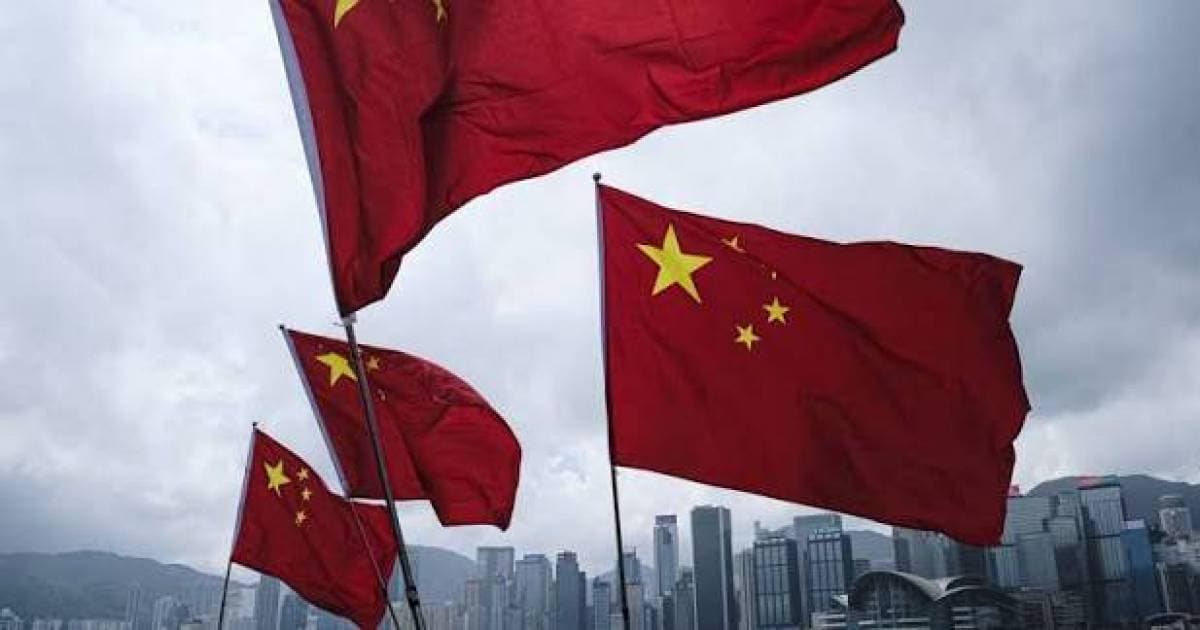
Analyses indicate that the stability of oil prices during the Iranian war, despite ongoing tensions and the closure of the Strait of Hormuz, is primarily due to China's emergence of a "new oil weapon," which involved an unprecedented reduction of its oil imports by 40-50%, reaching the lowest level in a decade. This move helped absorb the shock of supply shortages and prevented prices from soaring to $200 per barrel. The report then shifts to a strategic shift in the energy market; it demonstrates China's ability to influence the global market by controlling demand levels, granting it unprecedented influence in managing energy crises. This bolsters its position at the expense of Saudi Arabia, which previously had the capacity to impact the market through production. The findings highlight that the war has revealed changes in the balance of power within the oil market, with a likelihood that Beijing will play a greater role in stabilizing energy markets in the future.
تنويه: هذا ملخص تم إنشاؤه بواسطة الذكاء الاصطناعي




comments.heading