13 Hrs
المصدر:
عربية – DW
عربية – DW
جاهز للتشغيل
جاهز للتشغيل
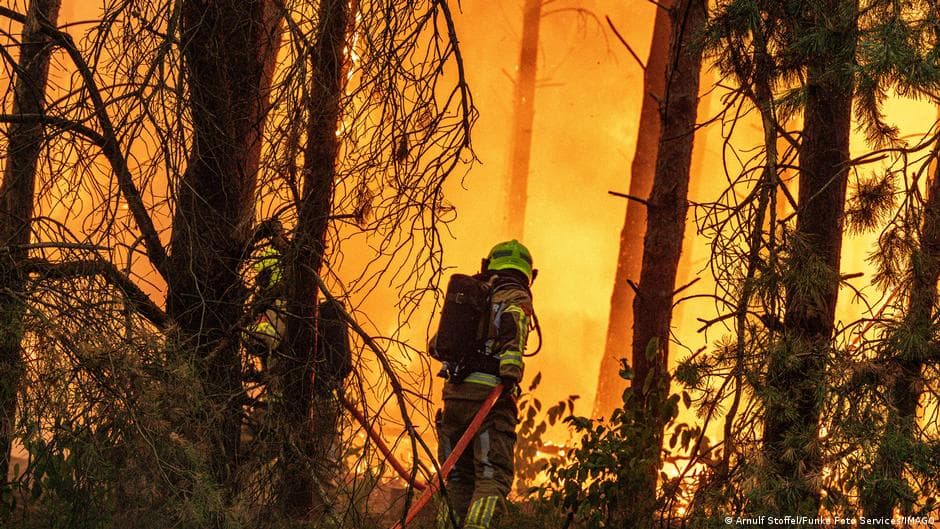
In recent years, Europe has experienced a significant rise in temperatures, making the continent the fastest-warming region worldwide. Record high temperatures have been registered, along with an increase in heatwaves, widespread wildfires, and a notable decline in river levels and snow cover. Last year saw an unprecedented decrease in snow and ice cover, with wildfires ravaging over a million hectares of forests, and sea surface temperatures rising for the fourth consecutive year. Additionally, heatwaves and droughts have disrupted shipping and tourism activities, led to water restrictions in more than 100 cities, and caused river levels—particularly the Rhine—to drop to historic lows of just 67 centimeters, limiting the passage of vessels. The rise in temperatures is primarily attributed to changes in atmospheric circulation and increased solar radiation reaching the Earth's surface. Scientists reaffirm that climate change driven by human activity exacerbates these phenomena. Reports indicate that in some regions, temperatures exceeded 41°C, highlighting the intensification of the climate crisis in Europe.
تنويه: هذا ملخص تم إنشاؤه بواسطة الذكاء الاصطناعي


comments.heading