2 Days
المصدر:
الشرق الأوسط
الشرق الأوسط
جاهز للتشغيل
جاهز للتشغيل
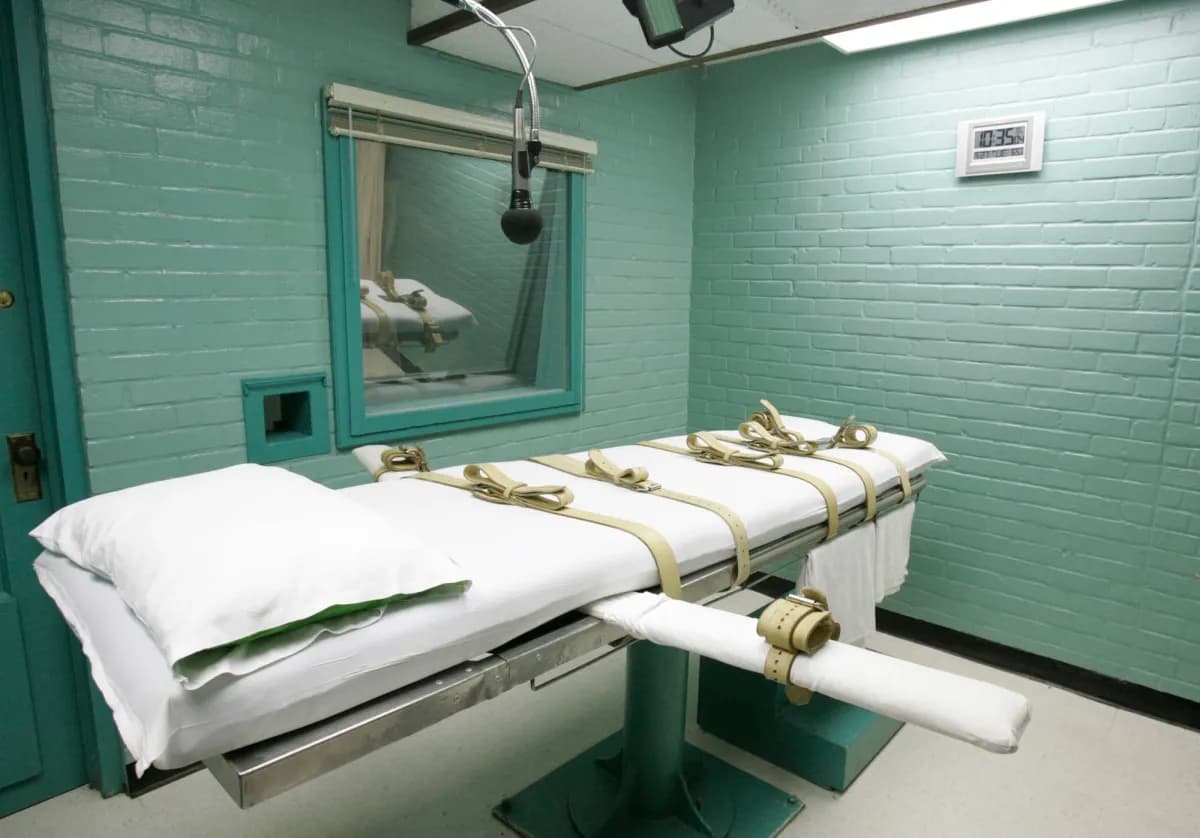
The article discusses the state of the death penalty in the United States, highlighting regional and state differences in its application and execution mechanisms. It notes that 27 states still implement the death penalty, while 23 have fully abolished it, with some major states like California and Oregon adopting a policy of voluntary moratorium. The article outlines the primary methods of execution, such as lethal injection, which remains the most common, despite shortages of lethal drugs, prompting the use of deadly alternatives like gas chambers and firing squads. It sheds light on executions carried out against serial killers and terrorists, mentioning historical figures and statistics on the number of those executed, with a notable bias against women, who are executed at a very small proportion compared to men. The piece also addresses the technical and logistical challenges faced in carrying out executions, particularly the shortage of chemical execution drugs, as well as the legal and ethical crises that executions provoke—such as failed attempts and forced delays—that have led to widespread legal and political debates. In conclusion, it becomes clear that the death penalty faces a systemic global crisis, exacerbated by the legal ban on pharmaceutical companies from supplying lethal drugs, and by the replacement of traditional execution methods with more gruesome or technologically advanced methods. The controversy over their legitimacy and means continues to persist.
تنويه: هذا ملخص تم إنشاؤه بواسطة الذكاء الاصطناعي






comments.heading