11 Hrs
المصدر:
الشرق الأوسط
الشرق الأوسط
جاهز للتشغيل
جاهز للتشغيل
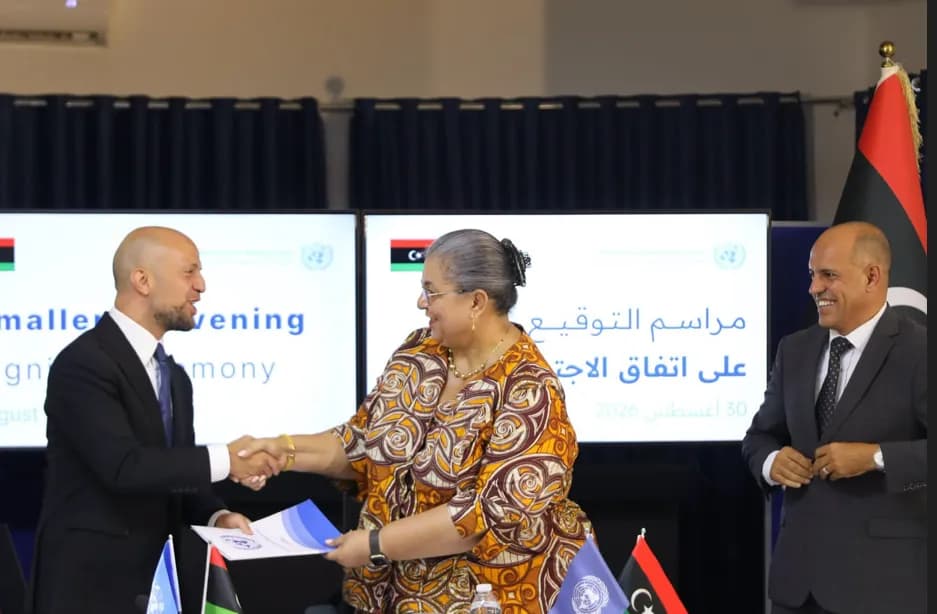
The article discusses Libya's efforts to establish a unified executive authority responsible for managing the upcoming transitional phase, aimed at preparing the country for presidential and parliamentary elections scheduled within 24 months of its formation. This issue is linked to the distribution of power between the east and west of the country, amid ongoing divisions between the "Government of National Unity" and the parliament-backed government supported by the Libyan National Army, which further complicates reaching consensus on the new Presidential Council. Communications continue between international and local parties, especially the United States, to arrange power-sharing agreements, with expectations of announcing a new government in the middle of this month following consensus on key sovereign positions, which remain a major point of disagreement. The Higher State Council opposes the electoral laws, and there are concerns that the arrangements for forming the authority might be used to serve political interests and share influence among the key factions, amidst divisions and fears of obstructing independent elections.
تنويه: هذا ملخص تم إنشاؤه بواسطة الذكاء الاصطناعي



comments.heading