



_1777352244987_250242181.png&w=48&q=75)




Indicators of high blood triglycerides
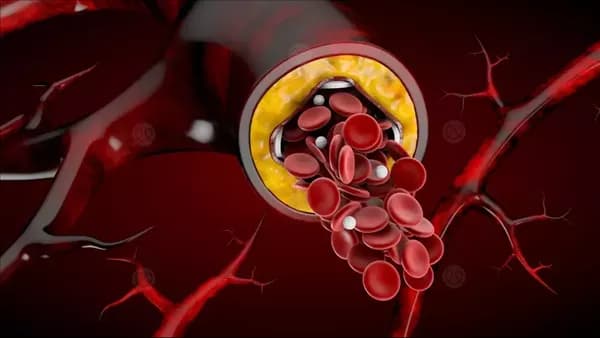
Elevated blood triglyceride levels is a condition that causes an increase in harmful fats, which raises the risk of developing heart disease, strokes, and arteriosclerosis. Its symptoms include acute pancreatitis, severe abdominal pain radiating to the back, shortness of breath, irregular heartbeat, and swelling of the liver and spleen, along with yellow skin signs and corneal clouding. The main causes include unhealthy dietary habits, obesity, smoking, and poor control of diabetes, with accompanying factors such as high cholesterol or hypertension. To treat high triglyceride levels, it is advised to reduce sugar and processed food intake, engage in 150 minutes of exercise weekly, abstain from alcohol, lose weight, and discontinue certain harmful medications, with medication therapy used in severe cases. The most serious complication is acute pancreatitis, which requires immediate hospital treatment. The risk of heart disease and strokes persists as long as levels remain high, especially when accompanied by factors like diabetes, hypertension, or obesity.
Notice: This Is an AI-Generated Summary
Comments (0)