






Madbouly Presents Three Options for Oil Cost Burden
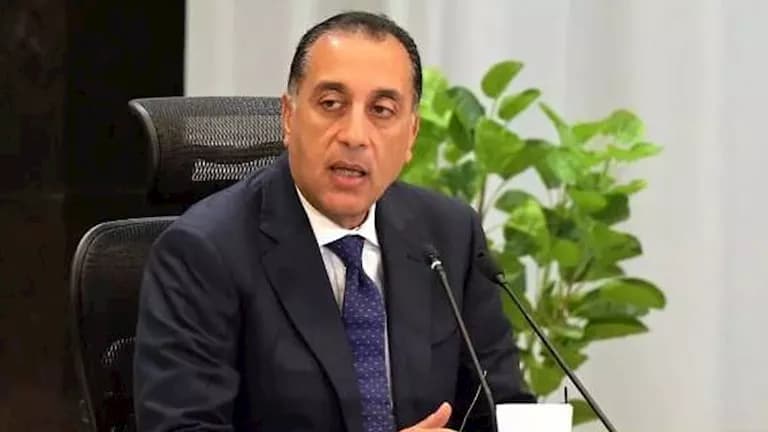
The article discusses the Egyptian government's options for confronting the rise in oil prices to $110 per barrel, explaining that there are three main alternatives: passing the full increase onto consumers, bearing the costs entirely by the state, or resorting to borrowing. The Prime Minister clarified that passing the costs to citizens would lead to a shortage of fuel supplies, while having the government absorb the costs requires significant financial resources and high interest expenses. Borrowing could lead to an increase in public debt and double the interest burdens over the coming years. The article also reviewed other options, such as cutting allocations or purchasing fuel at new, higher prices, which could cause energy shortages and electricity outages. It emphasizes the need to strike a balance between protecting consumers and maintaining economic stability. The measures demand intensive coordination and pose challenges in managing financial and energy resources. Egypt also aims to increase the share of new and renewable energy in its energy mix from 42% to 45% by 2028.
Notice: This Is an AI-Generated Summary
Comments (0)