1 Day
Source:
خبرني
خبرني
Ready to play
Ready to play
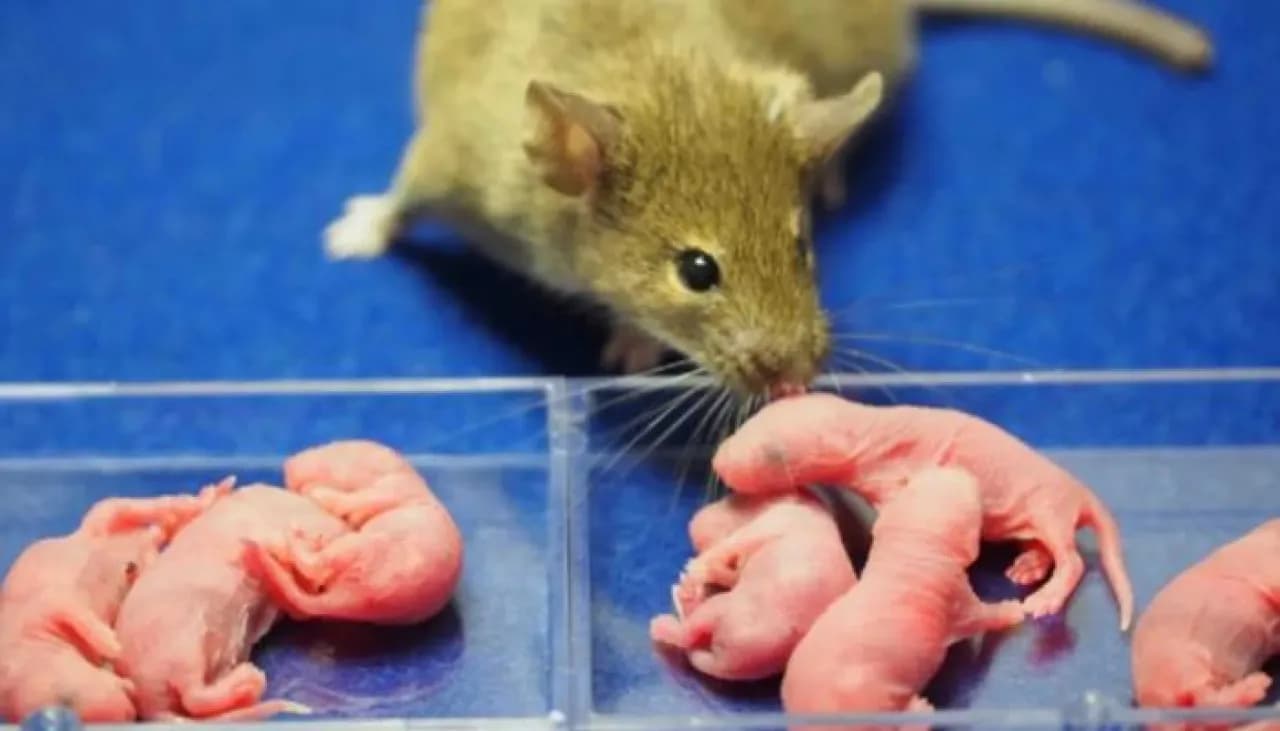
Japanese scientists have successfully produced female clones from male mice using gene editing technology. They achieved this by removing the Y chromosome from the male cells, resulting in female mice with a XO chromosomal setup, which is genetically very similar to the original males. Experiments showed that these cloned females are capable of reproduction; they were able to give birth to healthy offspring when mated with either cloned or original males. This opens new possibilities for conserving endangered species through the use of preserved male cells stored in biobanks. Despite the significance of these findings, scientists caution that the technique is limited in scope, as it is not suitable for all mammals, and it still requires further scientific review before being applied to other species. While this approach could enhance efforts to preserve genetic diversity—especially for rare or extinct lineages—it also carries risks, including potential physical or health abnormalities that may arise from the absence of the Y chromosome in some animals.
Notice: This Is an AI-Generated Summary



Comments (0)