1 Day
Source:
خبرني
Advertisement
Advertisement








Source: خبرني
1 DayAdvertisement
خبرني
Advertisement
Advertisement
Source: خبرني
1 DayAdvertisement
Ready to play
Ready to play
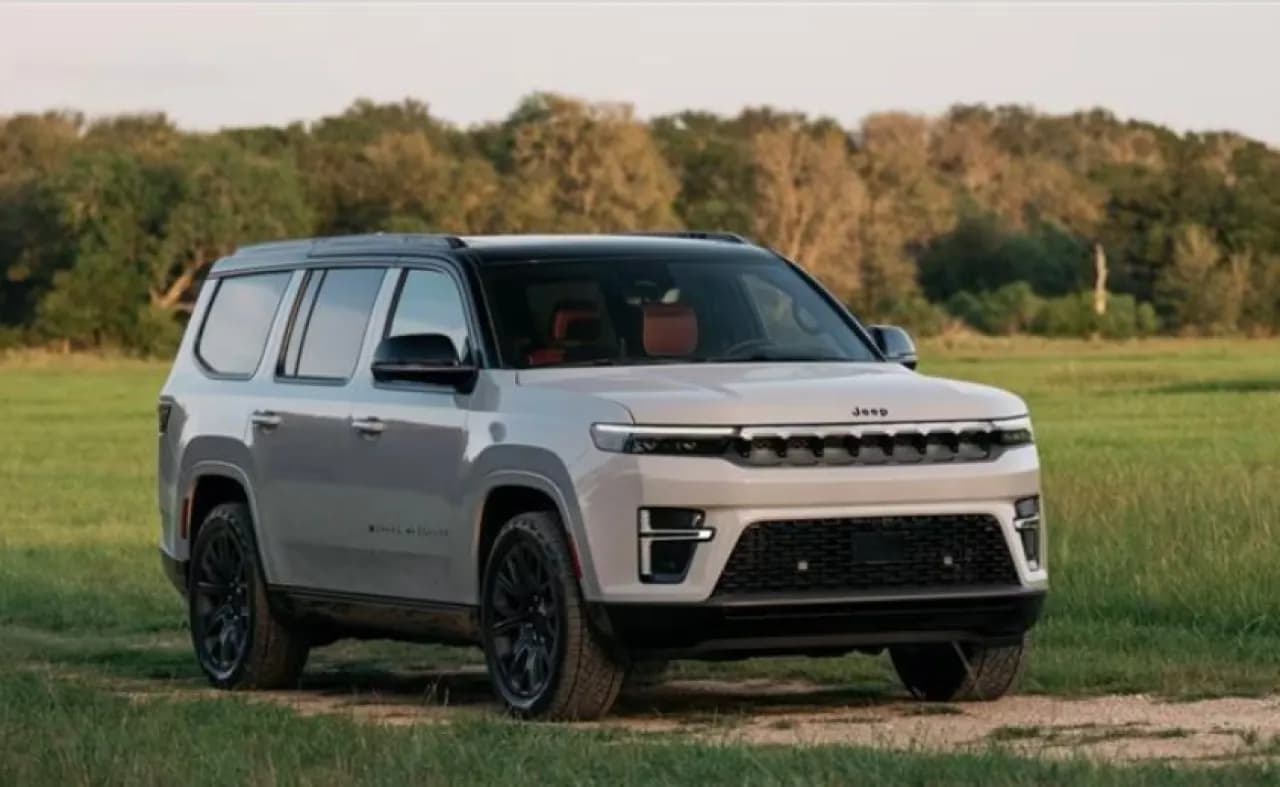
Major automotive manufacturers are turning to integrating gasoline engines into electric cars as a way to increase driving range and reduce the risk of battery depletion, through a technology known as "EREV" (Extended Range Electric Vehicle). These vehicles primarily rely on electric power but are equipped with a gasoline engine that does not drive the wheels directly; instead, it acts as a generator to recharge the battery when needed, allowing for over 100 miles of independent electric driving. Companies such as Hyundai, Ford, and Stellantis expect to introduce this technology in their new models, with some reaching a range of up to 690 miles. However, this feature comes at a higher cost, and such models face challenges in consumer acceptance and market awareness, especially in the United States, where electric vehicle sales have declined. This technology is more prevalent in China and is considered a middle ground between fully electric cars and hybrids, adding value when it comes to long trips and heavy loads.
Notice: This Is an AI-Generated Summary
Comments (0)