


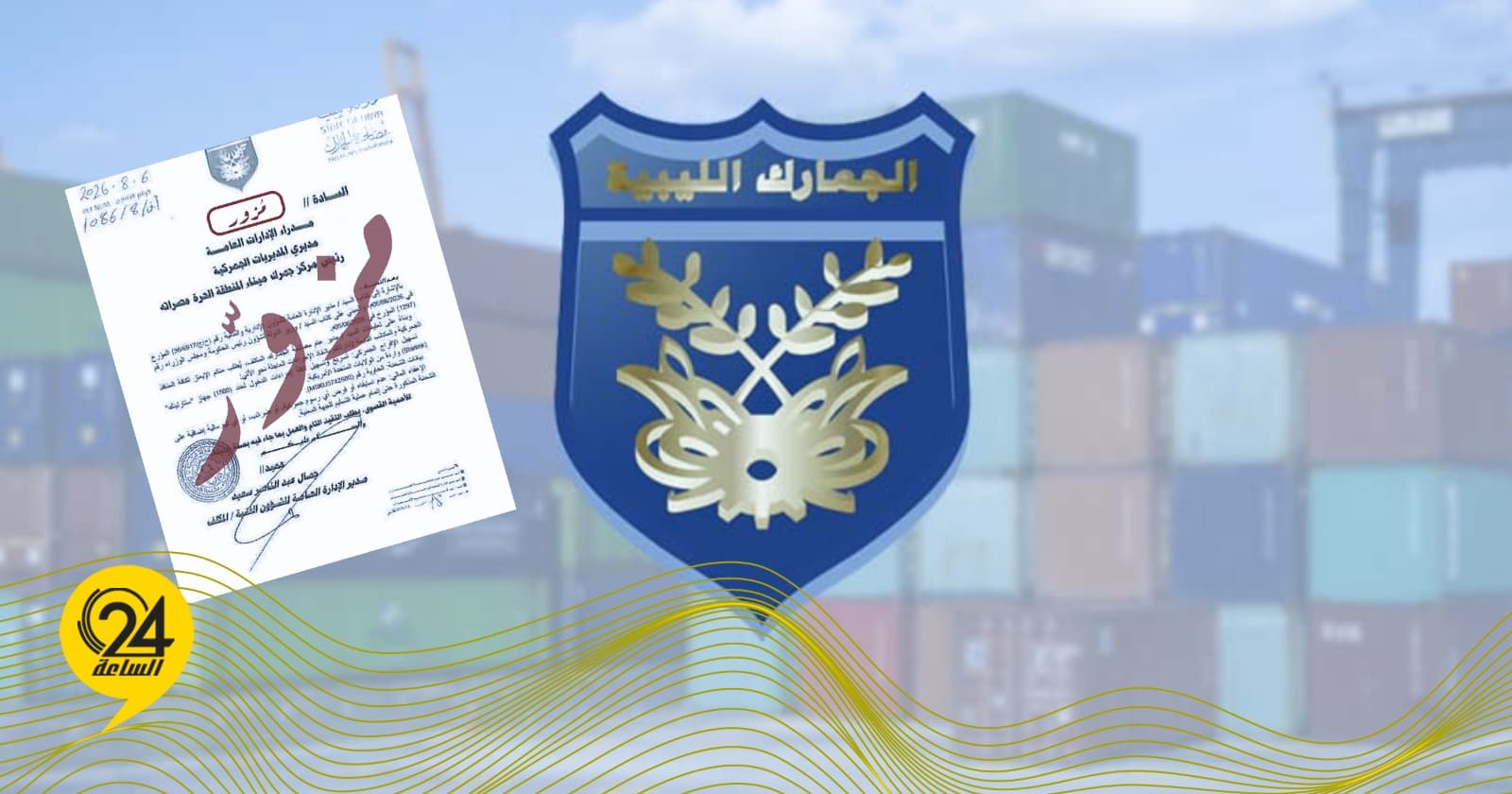
Ain Libya Probes Fake Certification in Government posts

The article discusses the topic of reviewing the academic qualifications of employees in governmental institutions in Libya, especially in light of the increasing issue of forged certificates, which can lead to criminal and administrative responsibilities. It clarifies that Libyan law penalizes the forgery of certificates and emphasizes the necessity of proving that the user was aware of the forgery and used it unlawfully. The responsibility extends to both those who committed the forgery and those who relied on the forged document, whether they are public officials or issuing authorities. The article also highlights the importance of implementing a unified and comprehensive review process for qualifications that covers all levels of employment without exception, taking into account special cases such as judiciary and military personnel. It notes that proving forgery can lead to the annulment of decisions based on forged certificates or correction of the employee’s status, alongside verifying the impact of the certificate on employment and promotions, while also respecting the employee’s right to respond and be investigated. The article underscores that combating forged certificates aims to reform the broader public sector system to ensure efficiency and legitimacy, along with updating standards for evaluating competencies—free from favoritism or revenge—while maintaining justice and safeguarding individuals’ rights.
Notice: This Is an AI-Generated Summary
Comments (0)