


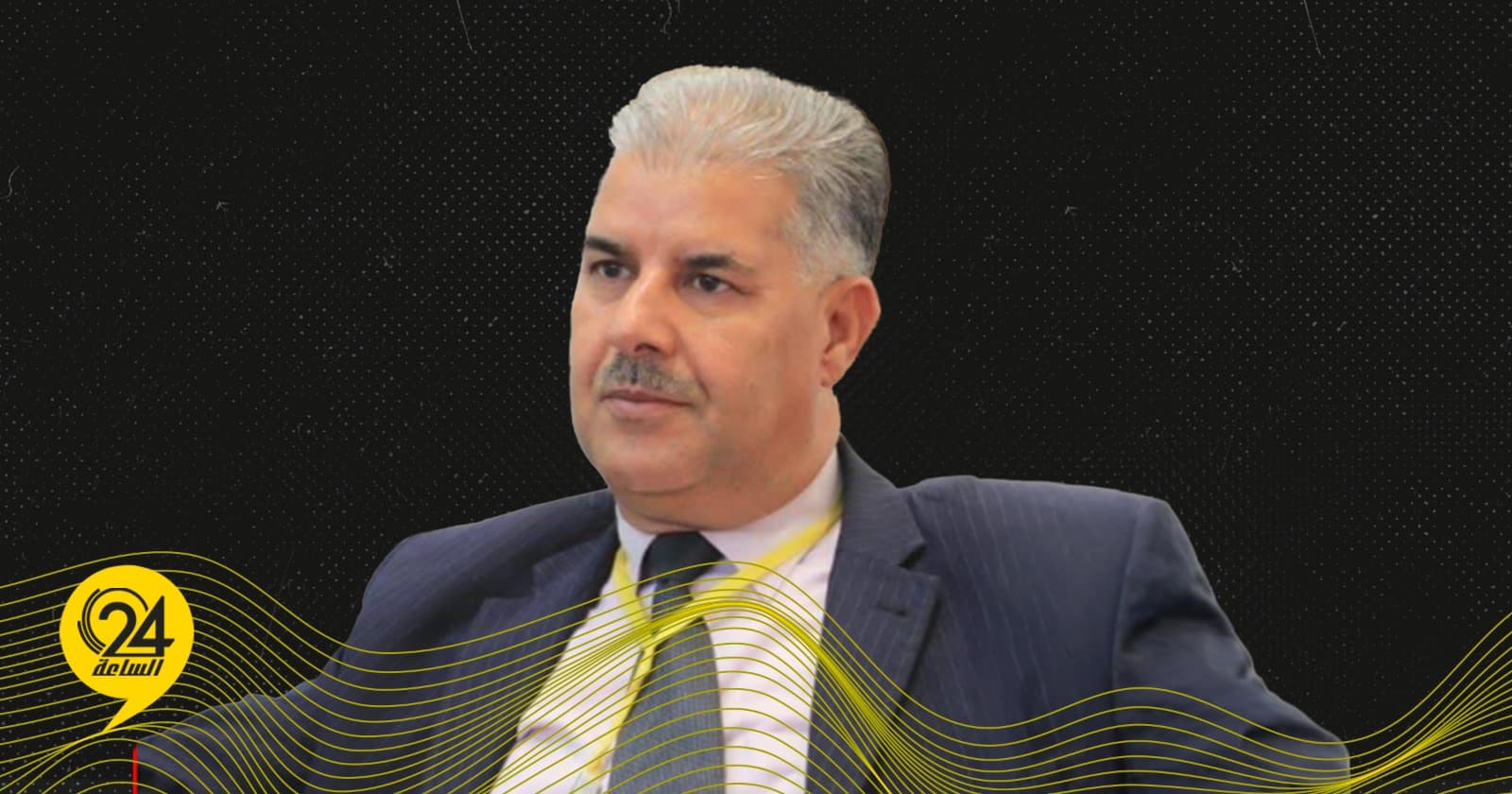


Al-Hassi: Bank Crisis Highlights Legislative Deadlock

The article addresses the severe economic crisis facing Libya, which has worsened following the resignation of Naji Eissa, Governor of the Central Bank of Libya. The statement highlights that the crisis extends beyond poor banking management to a complete political and financial stalemate resulting from institutional and governmental divisions. This has led to scattered spending, weakened control over monetary policies, and instability in the exchange rate. It emphasizes a significant gap between oil revenues and rising expenditures, which is draining reserves, alongside the deterioration of the dinar's purchasing power. This has led to an increase in foreign currency prices on the parallel market and a rise in the prices of essential goods. The report underscores the danger of a social explosion caused by growing public anger over the declining living conditions, warning that if the current political situation persists, it could lead to an economic and social catastrophe unless the Libyan factions unite to find a political solution and national consensus.
Notice: This Is an AI-Generated Summary
Comments (0)