




Libya's Daily 120M Dollars Crisis

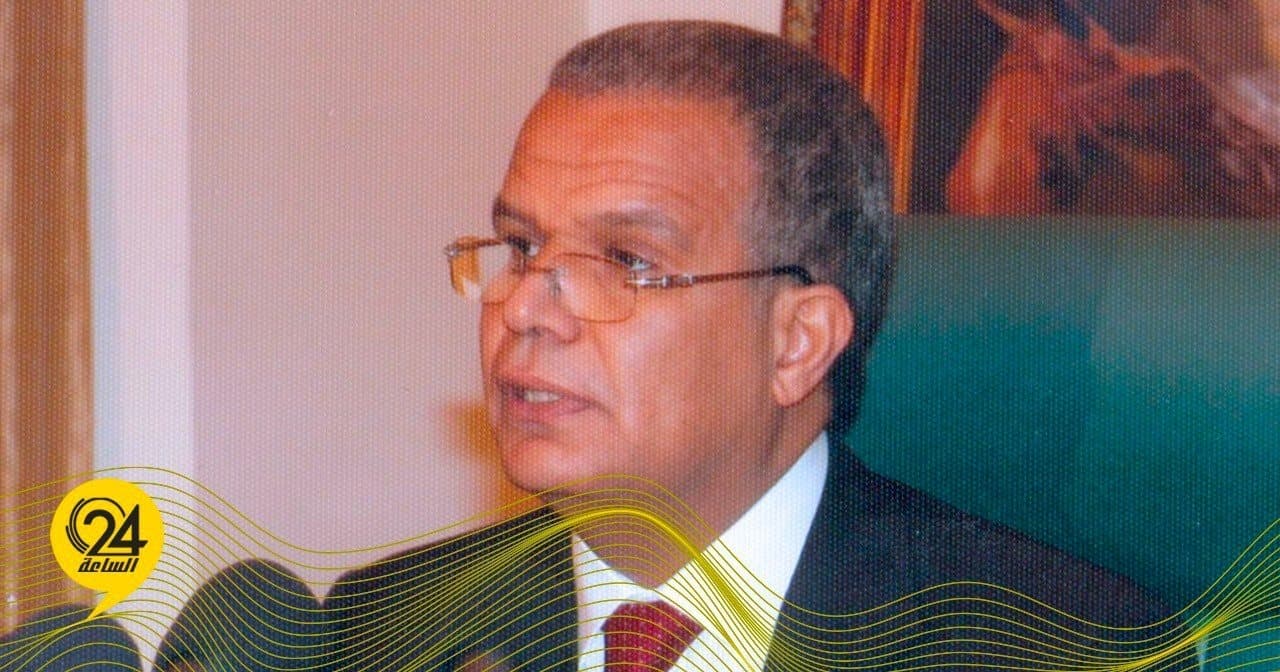
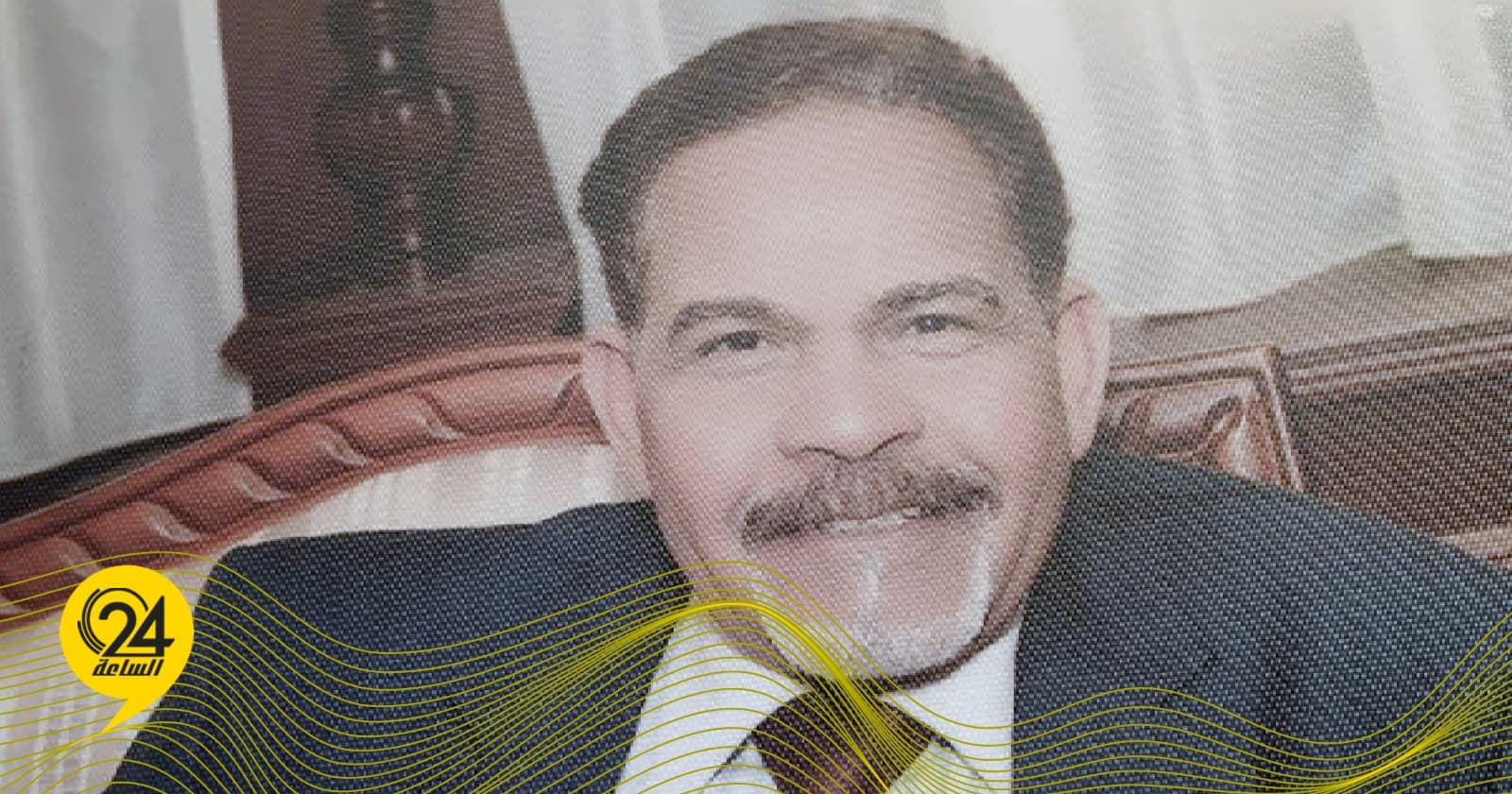
The article addresses the Libyan economic crisis, which continues to suffer from recurring issues related to fuel, electricity, liquidity, and prices, despite the country possessing large oil and gas resources. Businessman Hosni Bay emphasizes that the problem is not a lack of resources but rather the financial management model and economic policies that rely on rentier spending, price supports, and fixed exchange rates maintained through administrative intervention. These policies create price gaps, smuggling, and a parallel market crisis. He points out that the repetition of crises over decades has become a natural consequence of financial policies based on excessive spending, high salary bills, and unsustainable subsidies, instead of channeling revenues into sustainable production and services. Bay also clarifies that reliance on oil as a means to finance the economy intensifies spending and commitments, burdening citizens through weakened services, a declining dinar value, inflation, and rising prices. He considers that ongoing political division complicates solutions but is not a sufficient excuse for the absence of unified fiscal policies that curb excessive spending and support necessary reforms, such as correcting energy subsidies and gradually liberalizing the exchange rate. He underscores that inflation in government spending is the most dangerous factor, as it erodes purchasing power and increases demand for dollars, deepening the crisis. The greatest paradox, according to him, is that despite Libya’s sovereign resources generating hundreds of millions daily in revenue, it still suffers from the same crises repeated over decades due to mismanagement of resources and ongoing policies that promote unproductive spending. There is an urgent need for financial reforms and genuine economic sustainability, moving away from reliance on rentier benefits and false pretenses.
Notice: This Is an AI-Generated Summary
Comments (0)