





García Lorca: The Andalusian Poet
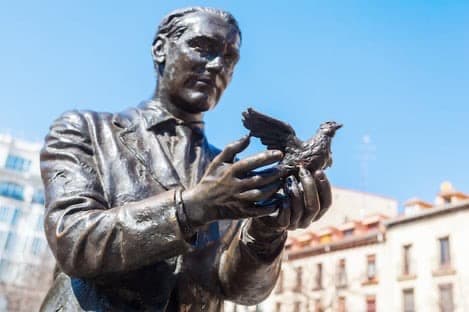
Federico García Lorca, the Spanish poet and playwright who was assassinated by Franco's forces on August 16, 1936, during the Civil War, is considered one of the most prominent symbols of artistic creativity and resistance worldwide. He was born in the heart of Andalusia in Granada and drew inspiration from folk music and flamenco art, which manifested clearly in his poetry and plays that tackled social and political issues, confronting traditional society and fascist authorities through works such as "Blood Wedding" and "Bernarda Alba's House." Lorca's art reflected his internal struggle between the human desire for freedom and the repression imposed by conservative forces. He also expressed Andalusian identity and historical memory—a memory he regarded as lost after the fall of Granada—love that was embodied in his interest in Morocco and Tetouan. Killed by fascists without trial, his body was thrown into a mass grave, yet he remained an international symbol of freedom and poetry that challenges oblivion and tyranny.
Notice: This Is an AI-Generated Summary
Comments (0)