24 Hrs
Source:
شبكة قدس الإخبارية
شبكة قدس الإخبارية
Ready to play
Ready to play
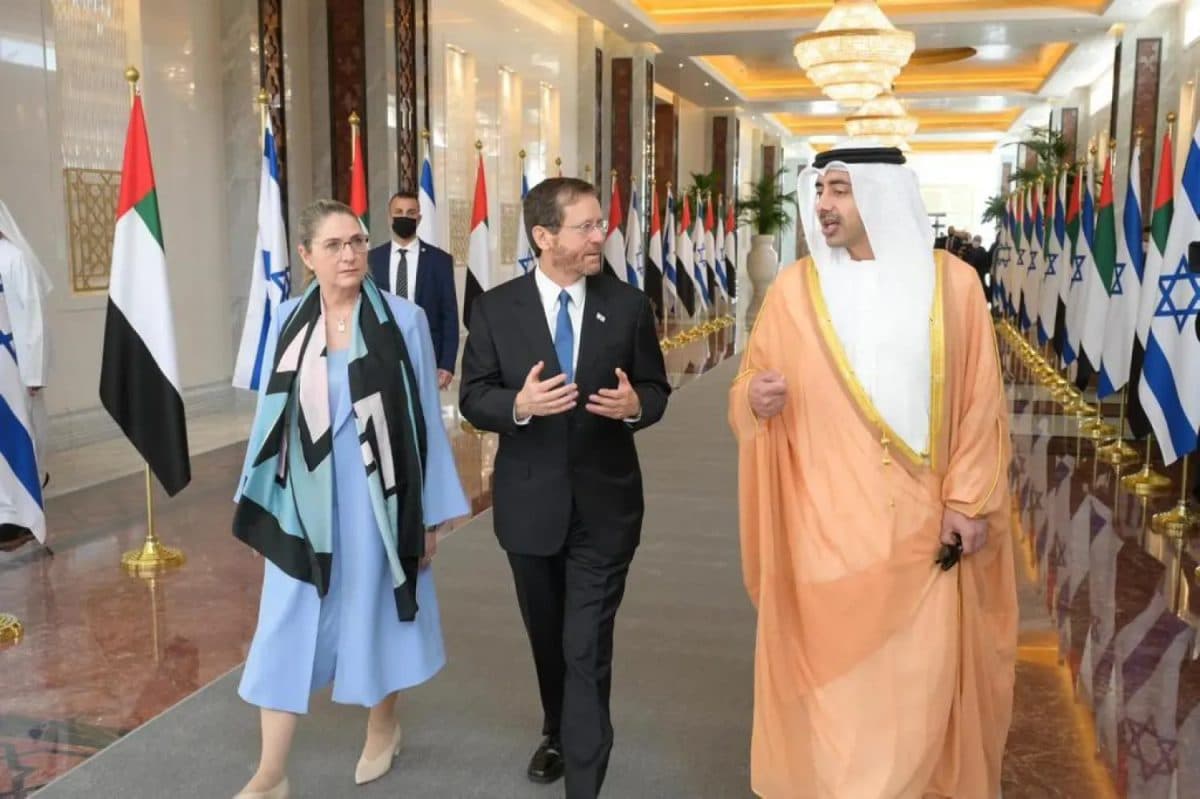
The relations between the Israeli occupation and Arab countries have witnessed significant changes following the outbreak of the war on October 7, 2023. They shifted from open, broad normalization to behind-the-scenes interactions, with some Gulf countries maintaining strategic security and intelligence channels with Israel. The Abraham Accords had laid a framework for cooperation in trade, investment, and tourism, but the war led to a decline in overt relations and their transformation into covert negotiations, with security and political interests becoming intertwined. Saudi Arabia represents the biggest test of the normalization process, as its positions link regional stability with Palestinian rights. Meanwhile, the UAE and Bahrain continue their security relations with Israel despite regional tensions. Due to security concerns, some countries have committed to strengthening security cooperation through new regional frameworks, such as the "Mecca Agreement" between Saudi Arabia, Turkey, and Pakistan. Experts believe that restoring relations to pre-war levels requires internal stability and rebuilding trust, emphasizing that these relations are driven more by security and economic interests than formal political ties. The future of normalization depends on how Israel handles the Palestinian issue and its ability to foster a stable regional environment.
Notice: This Is an AI-Generated Summary




Comments (0)