21 Hrs
Source:
شبكة قدس الإخبارية
شبكة قدس الإخبارية
Ready to play
Ready to play
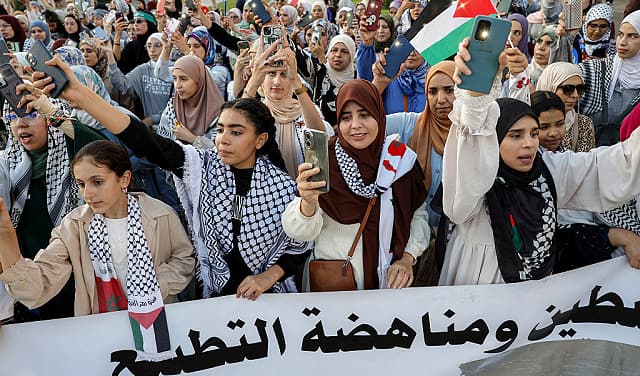
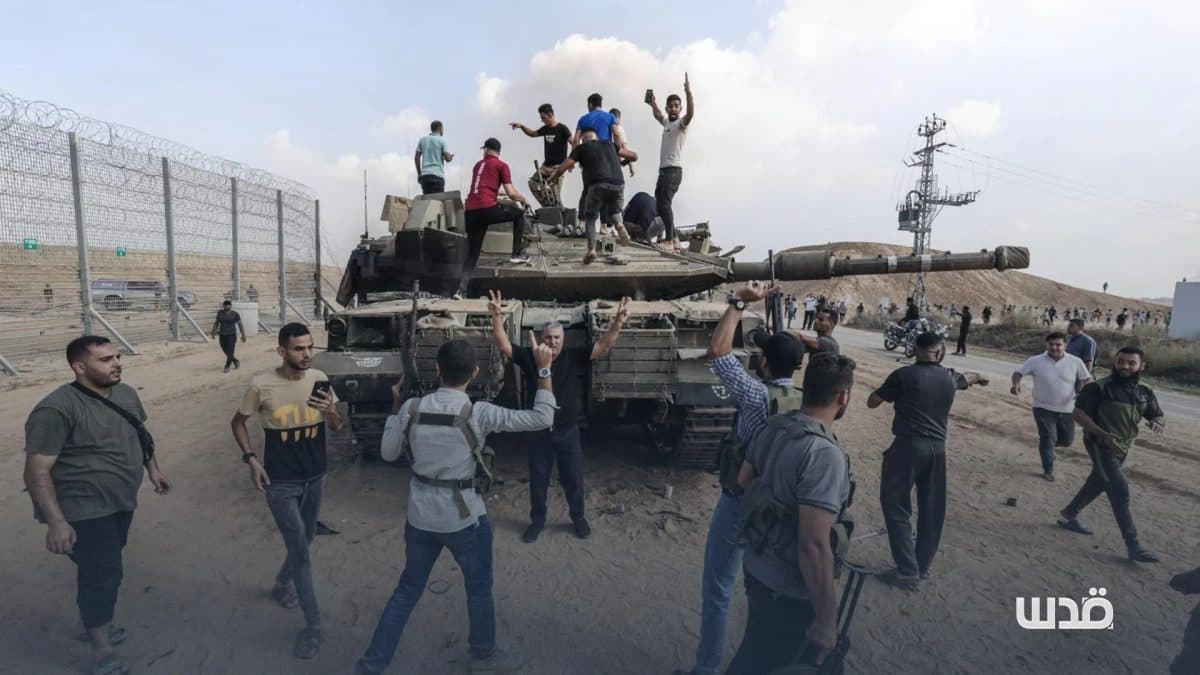
Three years after the October 7, 2023 attack, it has become clear that the Israeli occupation was continuing its settlement expansion in the West Bank prior to the attack. The occupation authorities had trained 75 plans to expand settlements, which included establishing more than 13,000 settlement units, and had confiscated over 44,000 dunams of land. In the following two years, the pace of expansion persisted, with studies for new settlement motors, the establishment of hundreds of settlement outposts, along with ongoing demolitions, assaults, and displacement operations. The flood did not halt the land control project that was already underway before the attack; instead, it continued and expanded during the years of the war. Despite widespread destruction in Gaza, the number of Palestinian prisoners released in negotiated deals increased, while Israel maintained thousands of prisoners and Palestinian citizens in its prisons. The war also led to shifts in the global public sphere, with the Palestinian cause gaining broader international attention through protests and demonstrations across countries. However, the balance of power did not favor the Palestinians; Israel still controls most of Gaza, continues its settlement expansion, and the resistance has not achieved a final breakthrough in controlling the sector. Overall, the flood caused a disruption in the Israeli strategic order and reopened issues previously considered settled, but it did not end the conflict. It remains fraught with risks and challenges.
Notice: This Is an AI-Generated Summary





Comments (0)