







Al-Tayeb: Removing Netanyahu First and the Risks
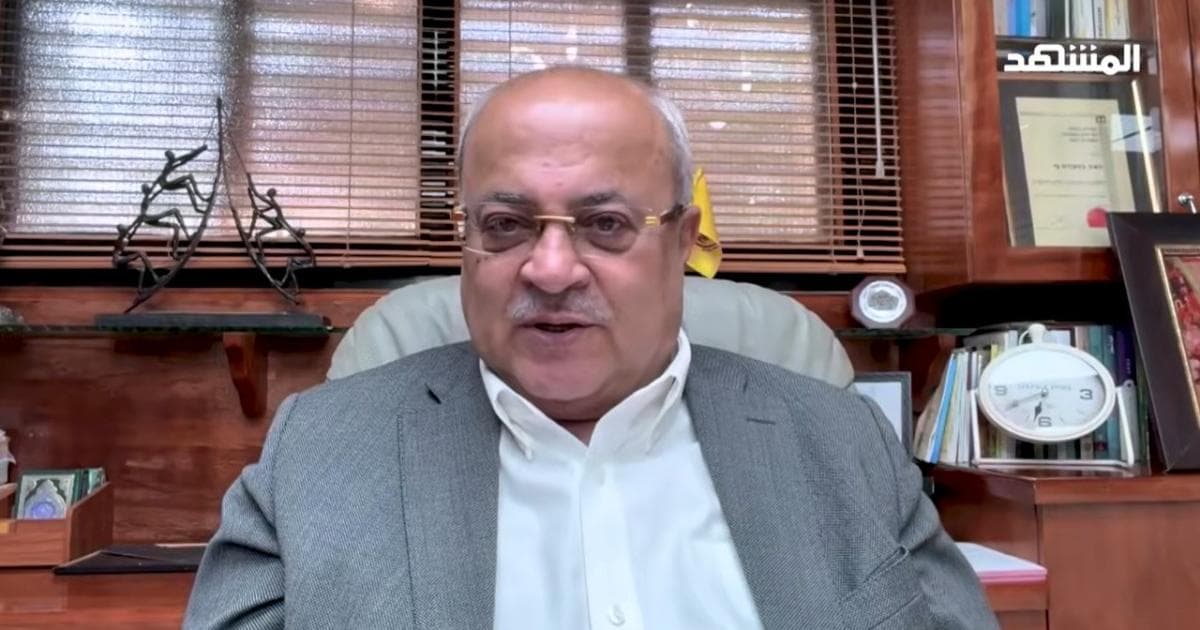
The article discusses statements made by Dr. Ahmad Tibi regarding the situation of the Israeli government. He confirmed that his main goal is to bring down Benjamin Netanyahu's government, but warned that removing him does not guarantee a peaceful administration or fundamental changes in the right-wing policies toward Palestinians. Instead, it could open the door to alternatives that may be less harmful but still carry many aggressive and racist policies. He emphasized the importance of the political role of the Arab community in Israel, suggesting that the votes of Arab parties could be decisive in shaping the balances within the Knesset. Their participation could influence the formation of the government, but within specific issues related to opposing occupation crimes, stopping home demolitions, and achieving equality. Tibi pointed out that the Israeli opposition includes right-wing figures who differ with Netanyahu's policies but do not adopt the demands of the Arab masses. He firmly rejected participating in a government that includes Ben-Gvir and Smotrich. He also issued broad criticisms of the occupation policies in Gaza and the West Bank, linking this to the arrest warrant issued against Netanyahu by the International Criminal Court over war crimes and crimes against humanity. He clarified that Arab parties will remain keen to exert influence through opposition or parliamentary understandings, without engaging in governments led by either left or right, focusing instead on social and economic issues that directly affect the Arab community. He highlighted the importance of increasing Arab voter turnout, which had previously declined, predicting that participation could reach 67-70%. Such an increase could shift the balance of power in the Knesset. Regarding potential successors to Netanyahu, Tibi refused to specify a candidate, preferring not to support any particular figure out of concern that it might be exploited in election campaigns. He emphasized that Arab parties' policies center on leveraging their parliamentary presence to achieve their demands, and they are also trying to utilize modern communication tools and artificial intelligence to counter competing digital campaigns. Overall, these statements indicate that the Arab strategy focuses on utilizing the parliament to advance their demands, rejecting participation in right-wing governments that could harm Palestinian and Arab interests within Israel, and uniting efforts to oppose racist and escalatory policies—while maintaining the independence of their parliamentary role.
Notice: This Is an AI-Generated Summary
Comments (0)