






Netanyahu and Army Clash over Iran Attack

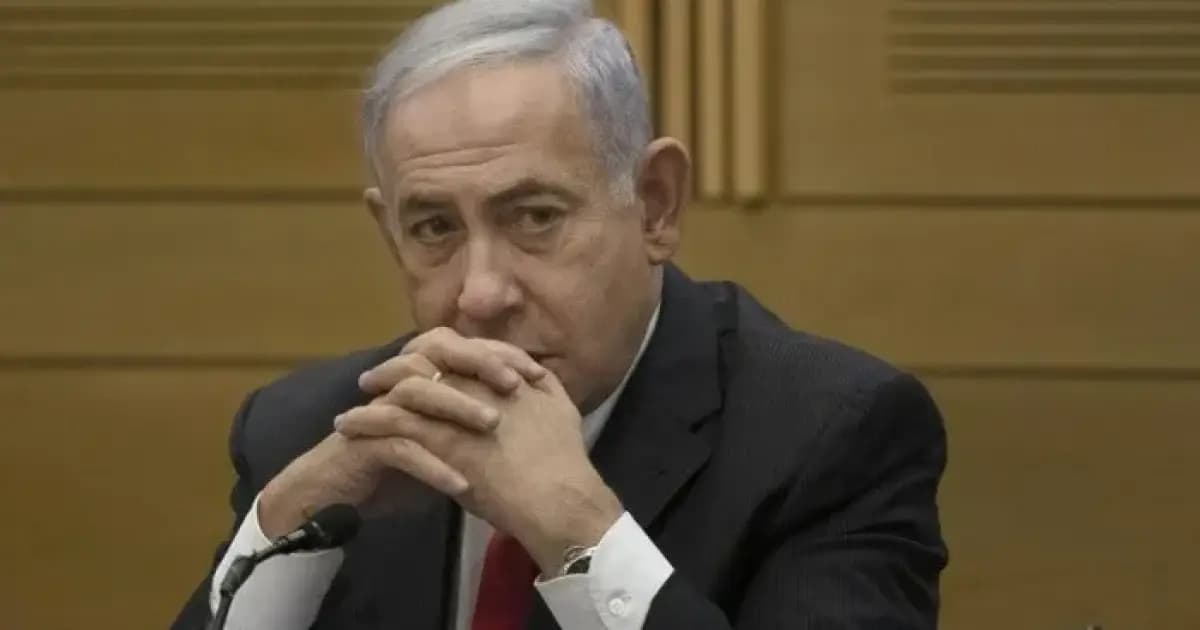
The political and security circles in the entity's establishment have witnessed tension regarding the possibility of resuming attacks against Iran in coordination with the United States. The military leadership has expressed hesitation to carry out military operations at this time, fearing their impact on upcoming elections and the potential for postponing them. Prime Minister Benjamin Netanyahu is seeking to use the Iranian file as a political pressure tool, especially amid internal party conflicts. He believes that military escalation can be exploited to strengthen his position in government coalition negotiations. Despite his efforts to promote attack plans based on intelligence information, Washington has prevented an operation from taking place at present, concerned that escalation could widen the scope of operations before the November congressional elections. Disagreements between Netanyahu and the army revolve around the timing of the attack, the urgency of intelligence reports, and risk assessment; Netanyahu tends to exaggerate warnings about Iran's nuclear and missile programs, while facing inconsistencies in military and diplomatic coordination with the U.S. He uses security tensions for political purposes, attempting to exploit them to support forming a broad government and to secure his stay in power—through field visits to the military and claims of leading orders to overthrow the Iranian regime, despite the army's rejection of harnessing the institution for electoral gains. There is also pressure from right-leaning circles to extend Chief of Staff Yaal Zamir's term, who faces criticism over his independence and handling of critical security issues.
Notice: This Is an AI-Generated Summary
Comments (0)