
_1777294237270_124456903.png&w=64&q=75)






Study reveals molecule linked to blood clots
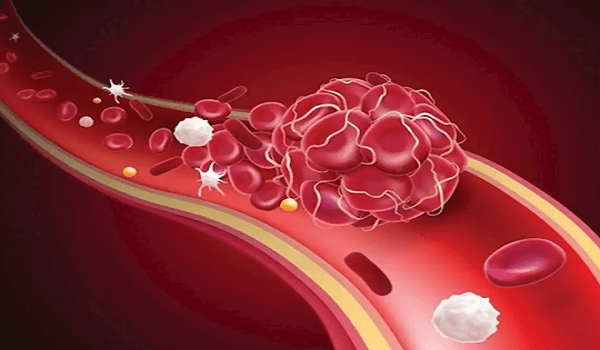
A team from the University of Manitoba in Canada has discovered a molecular mechanism explaining how serious blood clots can occur after using the commonly prescribed blood thinner Heparin. The research showed that the natural blood protein PF4 can change its shape in some patients, making it a target for antibodies that lead to a condition called Heparin-Induced Thrombocytopenia (HIT). This condition can cause dangerous blood clots, such as strokes or heart attacks, that threaten the patient's life. The study employed NMR technology to identify structural changes in the protein, which could aid in developing more accurate diagnostic and preventive treatments, as well as deepen understanding of how PF4 becomes an antigen triggering serious health complications.
Notice: This Is an AI-Generated Summary
Comments (0)