_1777294237270_124456903.png&w=64&q=75)






Heritage ownership debate who decides
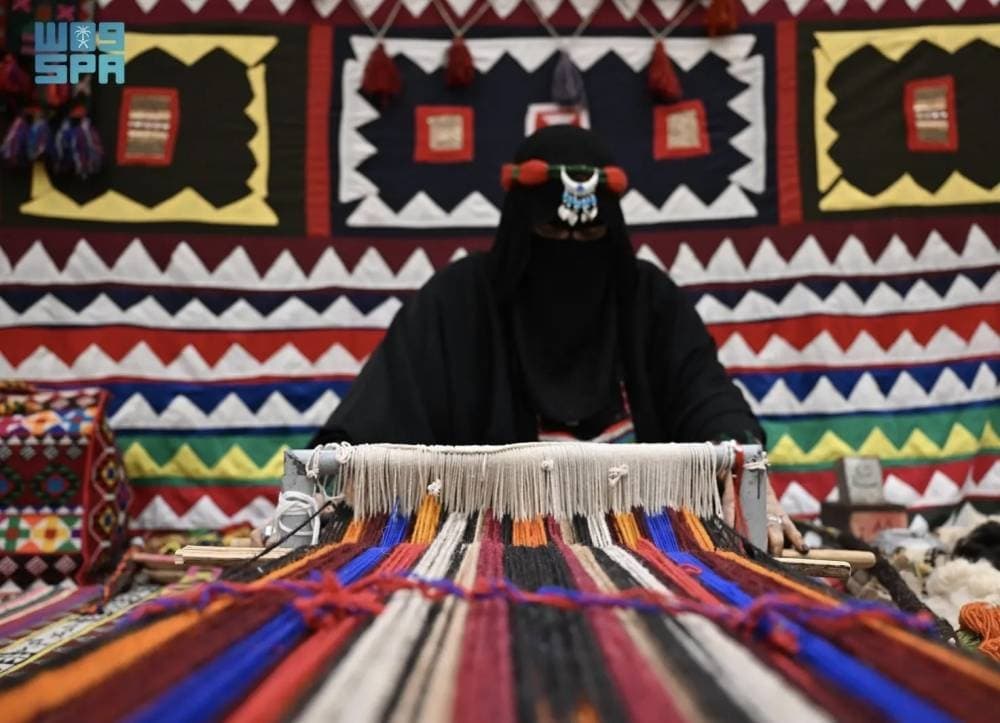
The article highlights a conflict over the ownership of intangible cultural heritage between communities and states, explaining that, according to UNESCO's definition, heritage does not have an exclusive owner. Instead, it is linked to community recognition and the transmission of practices across generations. The article presents examples of Saudi heritage elements listed on UNESCO's World Heritage List, including five items registered solely by Saudi Arabia and thirteen items shared in nominations with other countries, such as the sesame industry and Harees. It also shows that the overlap between the cultures of the Gulf countries and Egypt in certain arts and foods reflects shared traditions and inheritance. Furthermore, joint registrations do not imply exclusive ownership, and there is no single criterion for determining the origins or authentic sources of heritage in disputes.
Notice: This Is an AI-Generated Summary
Comments (0)