_1777292798912_197359786.jpg&w=48&q=75)


Russia's Continued Presence in Syria
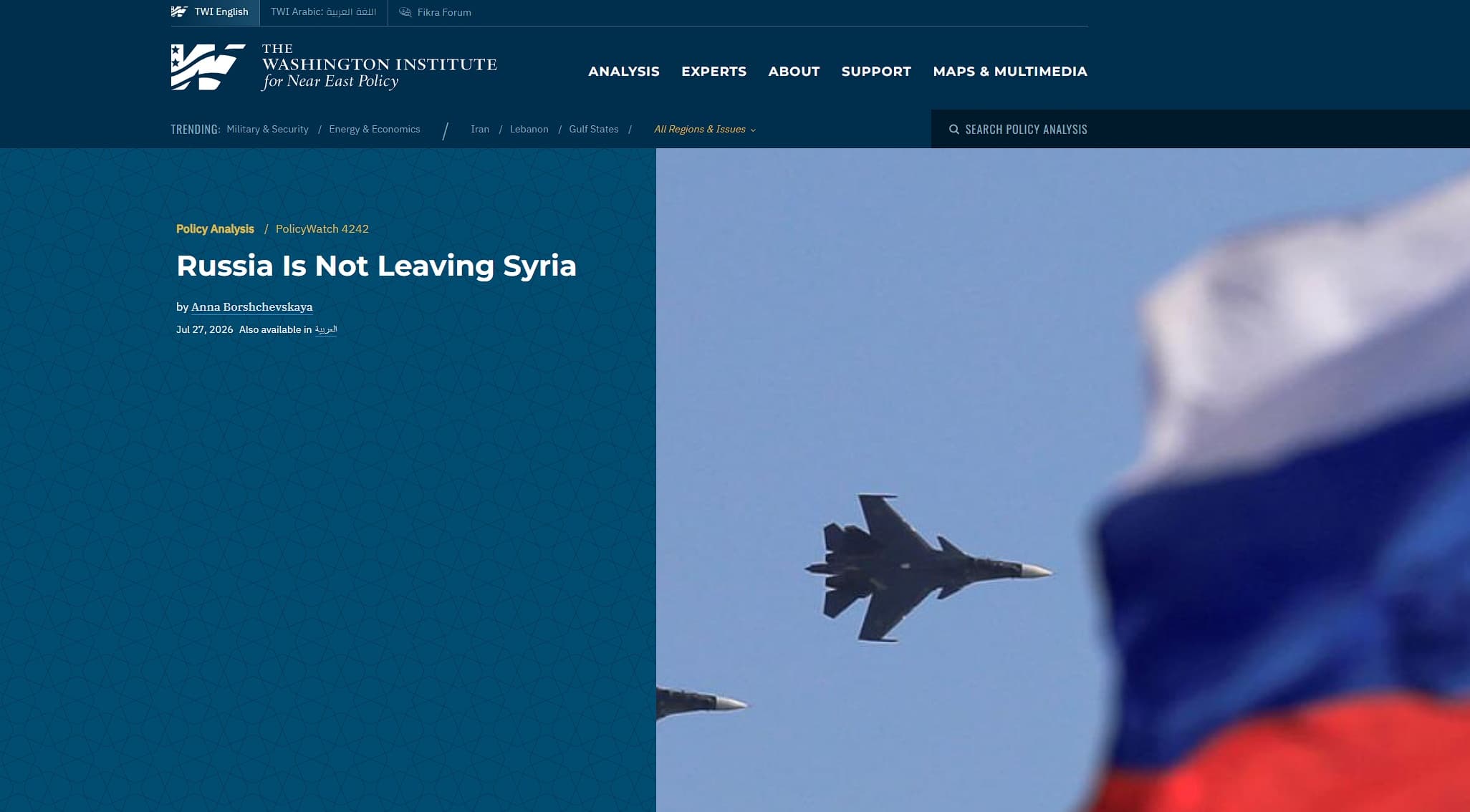
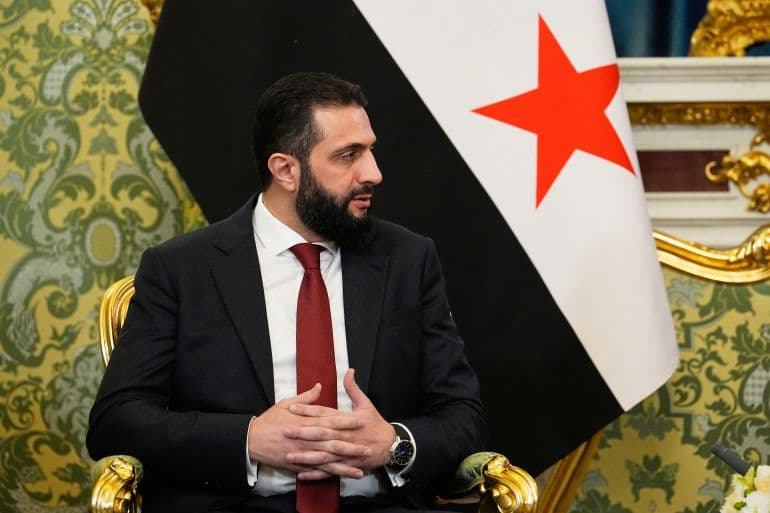
A new report from the Washington Institute for Near East Policy offers a different perspective from the common belief that Russia's influence in Syria is declining following the fall of Bashar Assad's regime. It emphasizes that Moscow does not plan to leave but is instead working on reshaping its presence more flexibly in the post-Assad era. The report explains that Russia considers Syria one of its key pillars in Middle Eastern policy and aims to maintain long-term influence by building relationships with state institutions and political and economic figures, rather than relying solely on personal ties with the former regime. Moscow focuses on its two bases in Hmeimim and Tartous as strategic centers that enable influence in the Mediterranean and the broader Middle East, striving to ensure their continued presence even if it requires making concessions. The report indicates that the new Syrian government does not wish to sever ties with Russia but seeks a more balanced relationship and diverse partnerships, alongside a decreasing dependence on Russia economically and politically. It highlights that Russia has increasingly relied on non-military tools such as diplomacy, economic cooperation, and investments in cultural and political programs to reduce the costs of its presence and advance its interests more efficiently. At the same time, the report notes that Western sanctions and the economic costs of the war in Ukraine limit Russia's capacity to fund reconstruction efforts in Syria, opening the door for other countries to expand their economic influence should stability return to the country. The report concludes with a recommendation to U.S. policymakers not to assume Russia will exit Syria, asserting that Moscow is adapting to changes and maintaining its interests despite the waning of its previous influence. It calls for reconsidering American policies accordingly, based on this reality.
Notice: This Is an AI-Generated Summary
Comments (0)