13 Hrs_1777292798912_197359786.jpg&w=48&q=75)
Source:
عكس السير
عكس السير
Ready to play
Ready to play
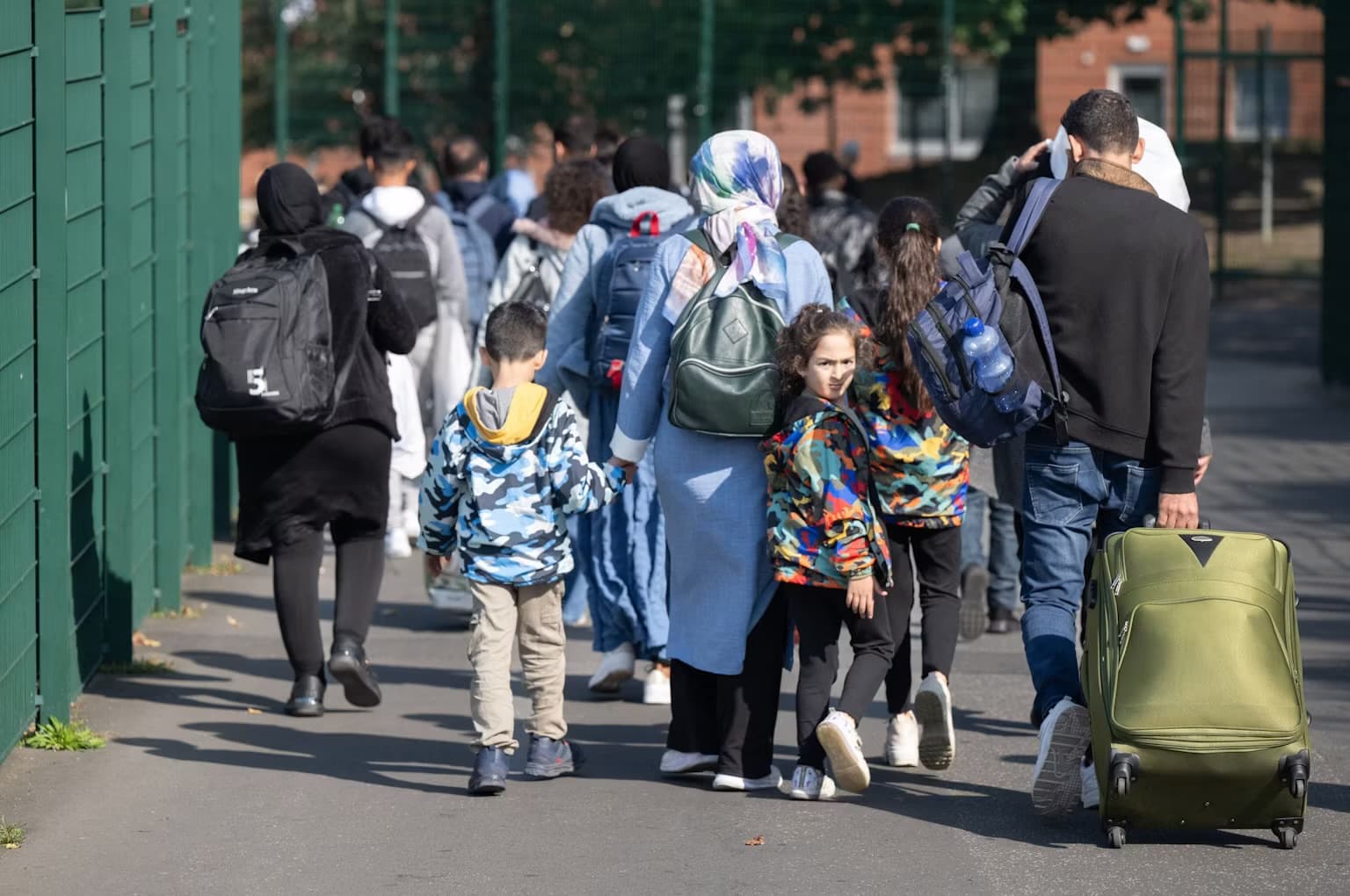
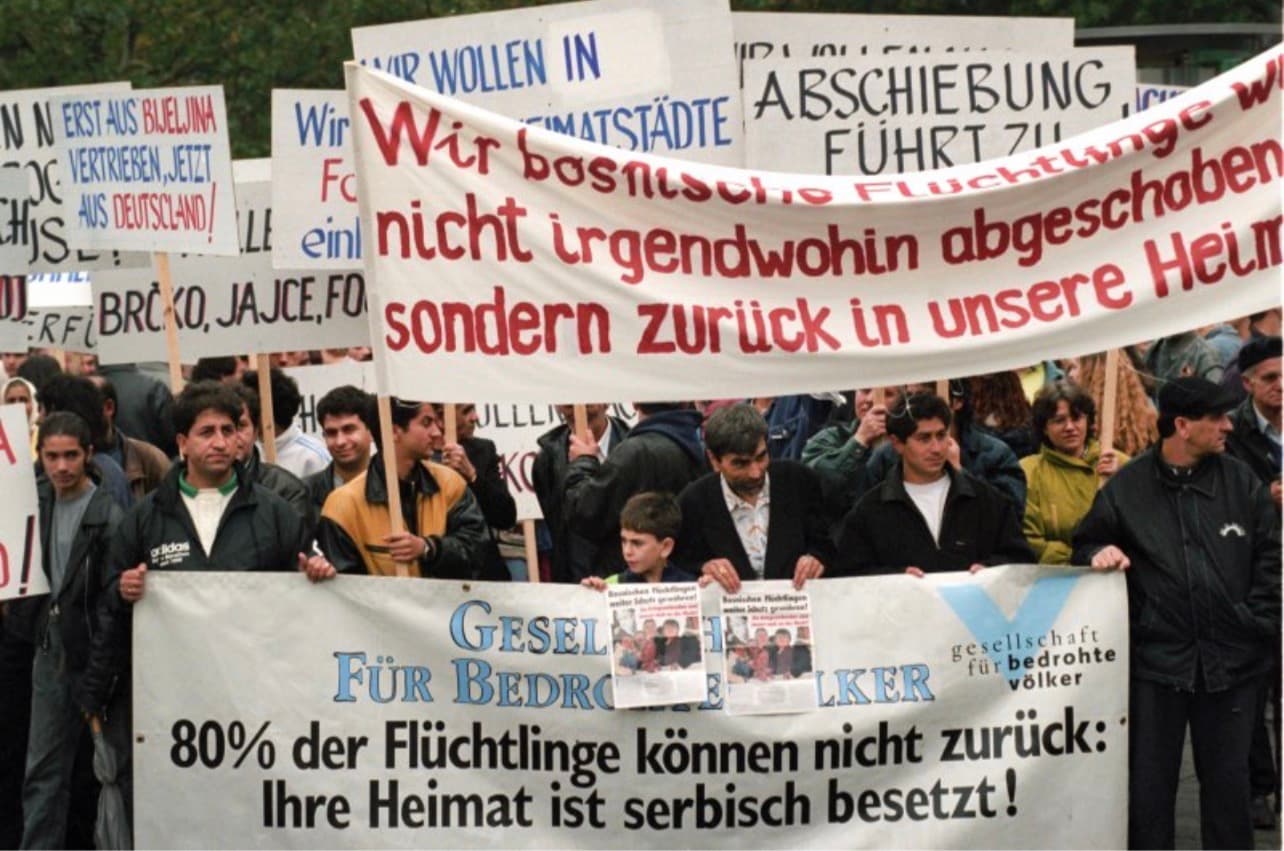
The article discusses Germany's policies toward Syrian refugees after more than a decade since the large wave of asylum that erupted in 2015, with a historical comparison to the experiences of Bosnians and Kosovars. While Germany welcomed hundreds of thousands of refugees during the Balkan wars, protection periods began to end starting in the 1990s, as the government gradually initiated repatriation efforts through voluntary programs and forced removals, especially after the reasons for protection diminished. In the cases of Bosnian and Kosovar refugees, the return process after the wars concluded was somewhat successful, with numbers gradually declining. However, policy developments in 2014 and 2015 led some countries to be classified as "safe," accelerating rejection and expulsion procedures despite human rights criticisms. When Syrians entered the scene in 2011 and their numbers increased, Germany was compelled to grant them various types of residence permits. The number of Syrians who obtained German citizenship reached 149,000 during 2024 and 2025, causing a fundamental change in their legal status. By 2026, Germany began to extensively review Syrian protection cases following changing conditions in Syria. Over 23% of approximately 8,320 cases were revoked from protection, and the likelihood of return increased as protections were reduced. However, these decisions have not yet translated into large-scale collective deportations; there remains a significant gap between policies and laws on one hand, and operational realities on the other. Therefore, mass repatriation of Syrians, similar to the Balkan experiences, remains uncertain at present. Nonetheless, potential changes may steer the country toward a return policy similar to previous eras, albeit under different circumstances and implementation speeds.
Notice: This Is an AI-Generated Summary




Comments (0)