





Which country best embodies Ibn Khaldun's legacy
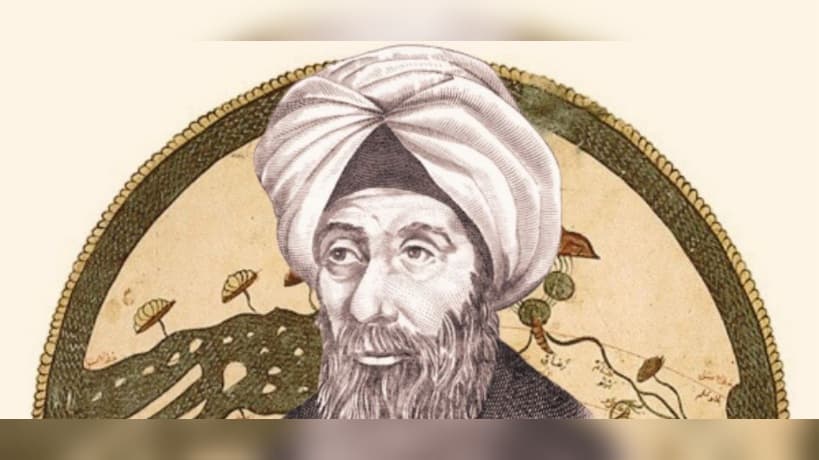
The name of Ibn Khaldun has returned to the forefront following the nomination of "The Muqaddimah of Ibn Khaldun" as part of a joint effort between Tunisia, Algeria, Egypt, and Turkey to include it in UNESCO's Memory of the World Register. This has reignited the debate about each country's right to celebrate the legacy of this great thinker. Ibn Khaldun was born in Tunis in 1332, grew up there, then traveled among several cities including Fes, Ghayra, and Tlemcen, before residing in Algeria and Egypt, where he continued his intellectual and professional pursuits. Ibn Khaldun is considered one of the foremost Arab Muslim thinkers, as he brought about a transformation in understanding history and society through his analysis of the causes of the rise and fall of states, urban development, tribalism, and economics. The significance of "The Muqaddimah" lies in its response to questions posed by authority and society, its resilience over time, and its relevance to historical circumstances, making it a subject of global interest. The nomination highlights the importance of preserving this intellectual heritage and underscores that Ibn Khaldun is part of human memory. It emphasizes the value of his belonging to multiple nations without turning it into a competition among countries. Ibn Khaldun's thought represents a comprehensive vision of intellectual influence that transcends geographical boundaries and connects to a global dimension through his ongoing questions about society and history.
تنويه: هذا ملخص تم إنشاؤه بواسطة الذكاء الاصطناعي
comments.heading