15 Hrs
Source:
شبكة قدس الإخبارية
شبكة قدس الإخبارية
Ready to play
Ready to play
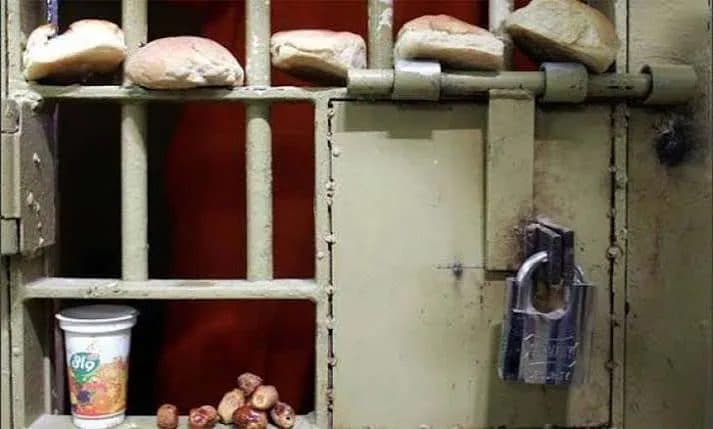
The policies of the Zionist prisons imposed hunger control and inventive methods of food barter within the prisons, where bread became the primary currency for exchanging food in the sections of Nafha and Rimon prisons. The prisoners set prices for certain items such as eggs, chickpeas, and sausages, developing an internal market to organize the barter system, despite opposition from some leadership figures who considered the phenomenon to be contrary to the revolutionary customs. The prisoners also practiced food storage in preparation for the Saturday meal, which included a more diverse variety of foods, after days of austerity, as an attempt to cope with the harshness of the prison and ongoing hunger. As the phenomenon grew, prison authorities confiscated supplies and blocked some arrangements, but the prisoners continued to use these methods as a means of survival, reflecting their adaptation to the harsh detention conditions.
Notice: This Is an AI-Generated Summary








Comments (0)