8 Hrs
Source:
الوئام
الوئام
Ready to play
Ready to play
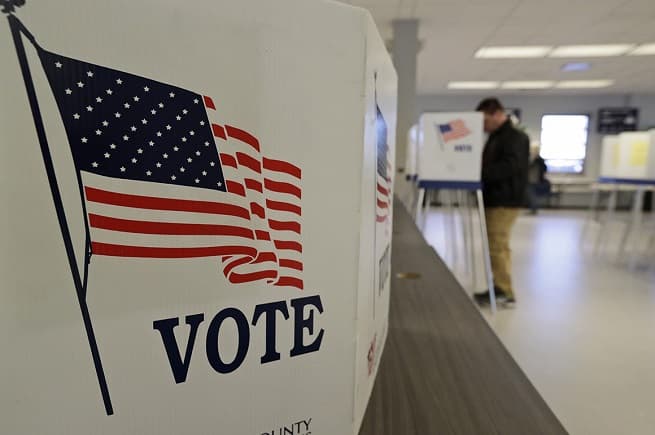
Nine U.S. states entered the November 3, 2026, midterm elections with new maps for their House districts, changing the districts of more than 24 million potential voters—around 10% of the electorate—even though they had not moved. Redistricting, usually carried out after each ten-year census, is sometimes used to gain a partisan advantage by concentrating a party’s supporters in a small number of districts or splitting up the opposition’s vote. The changes affected states including Texas, California, and Florida, while other maps were settled through political and legal disputes. A comparison of the 2024 results under the new boundaries suggests an estimated net advantage of about nine districts for Republicans. But that does not predict the actual election results, since voters choose the winner in each district individually. The battle highlights how district lines shape the conversion of votes into seats, with further changes possible before the 2028 elections.
Notice: This Is an AI-Generated Summary






Comments (0)